Editor’s Note: A lawsuit has been filed against Activision Blizzard by the California Department of Fair Employment and Housing, which alleges the company has engaged in abuse, discrimination, and retaliation against its female employees. Activision Blizzard has denied the allegations. The full details of the Activision Blizzard lawsuit (content warning: rape, suicide, abuse, harassment) are being updated as new information becomes available.
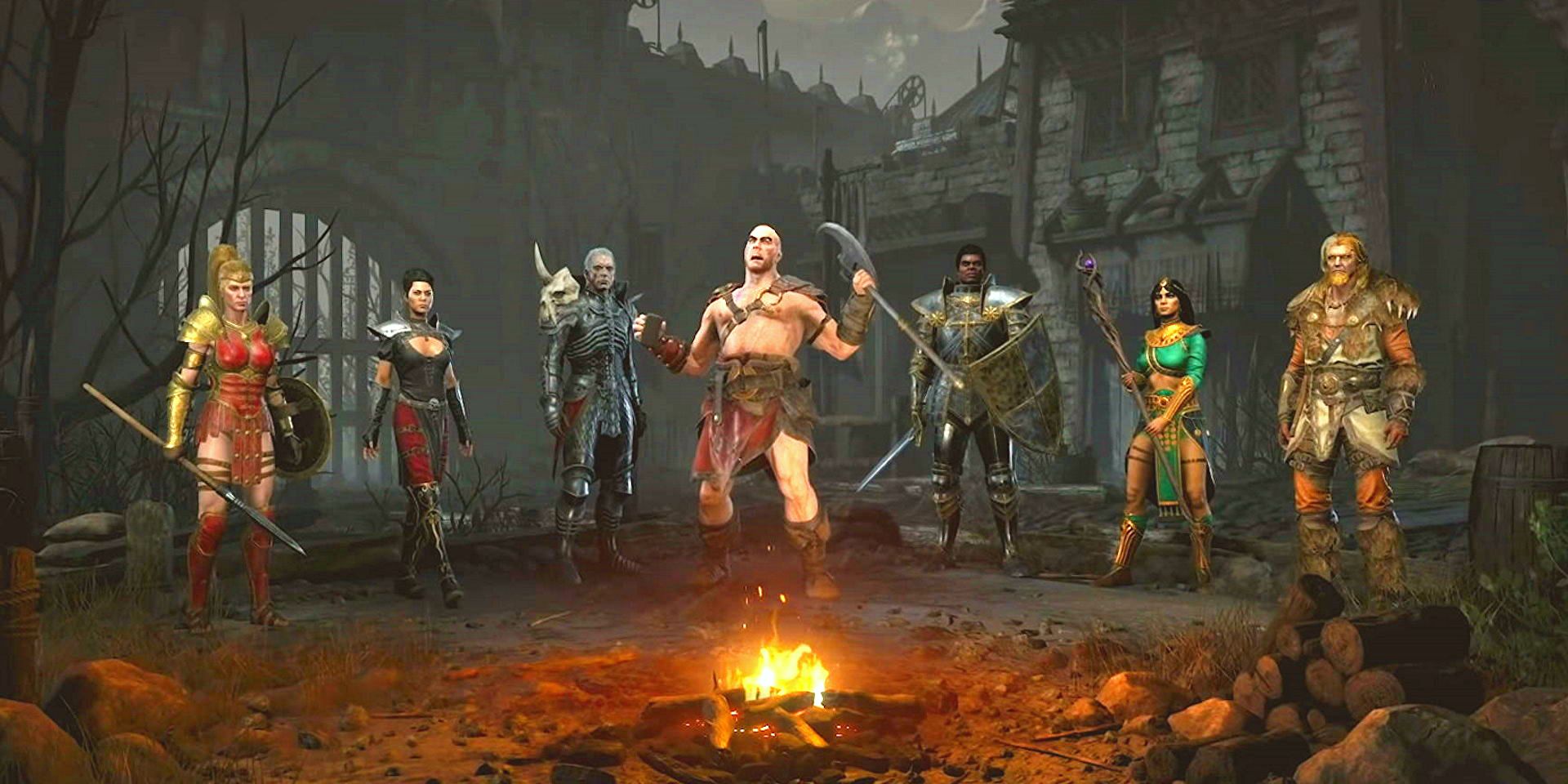
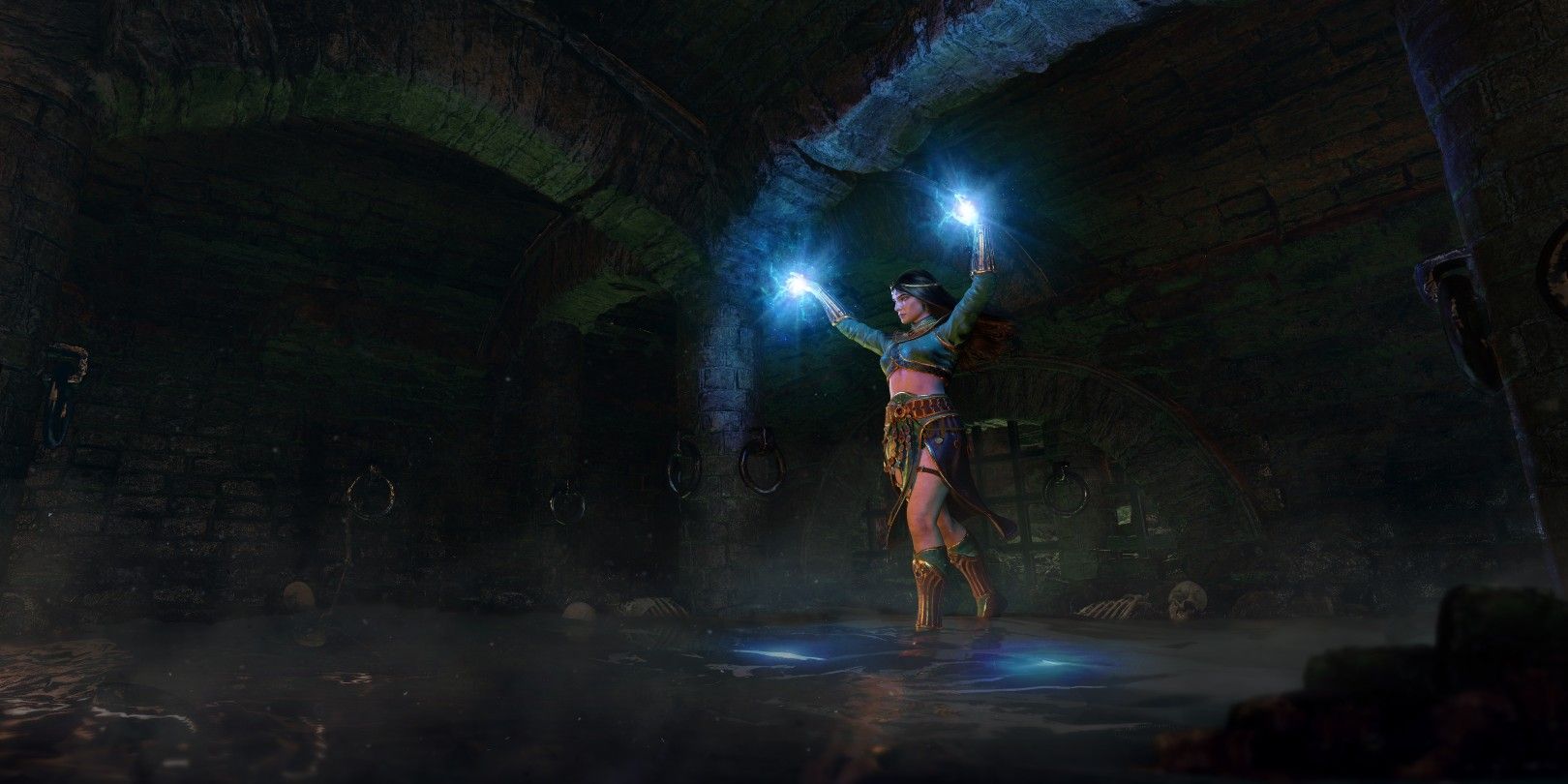
Diablo 2: Resurrected has had some issues with its launch, including server and character errors preventing fans from enjoying the game. Diablo 2: Resurrected is the highly anticipated remake of the original Diablo 2, which was released in 2000. With unique characters and diverse skills, Diablo 2: Resurrected holds up even two decades later, but it is not free of technical issues.
When Diablo 2: Resurrected first launched, there were server errors that prevented players from creating characters or getting into the game. These were points of frustration for players excited to get started with the remake. Since launch, Blizzard has been working to fix server issues in Diablo 2: Resurrected, but players are still struggling to use certain characters.
According to @BlizzardCS, the company is still trying to address this issue, but there are a few quick fixes players can try that have worked for some. There are a few options available to players who are getting the “Failed to enter game. This character is already in a game on the server. Please try again” error.
First, players should try to create a new character. Diablo 2 Resurrected has plenty of characters and classes to choose from, but players don’t need to focus too much on their choice, as they won’t necessarily be starting a game with this character. After the new character is made, they can return to the character selection menu and choose the character that was getting an error message, then try to create a game.
Players who are still getting the error message after this step can completely close the application and try to reload it. Diablo 2: Resurrected must be shut down completely for this method to work, so simply backing out won’t be enough. Players should quit the application and reload it, then select the character getting the error message and try to create a game.
Unfortunately, if neither of these fixes works, the only other way to use that character is to play offline until the issues are fixed. It didn’t take long for Blizzard to fix the server issues, and the company is already working on this problem, so players should keep checking back for updates on the issue. Diablo 2: Resurrected is a remake of a popular game with a flood of players trying to get in, so it’s understandable that the server would have issues, but Blizzard is working to fix them.
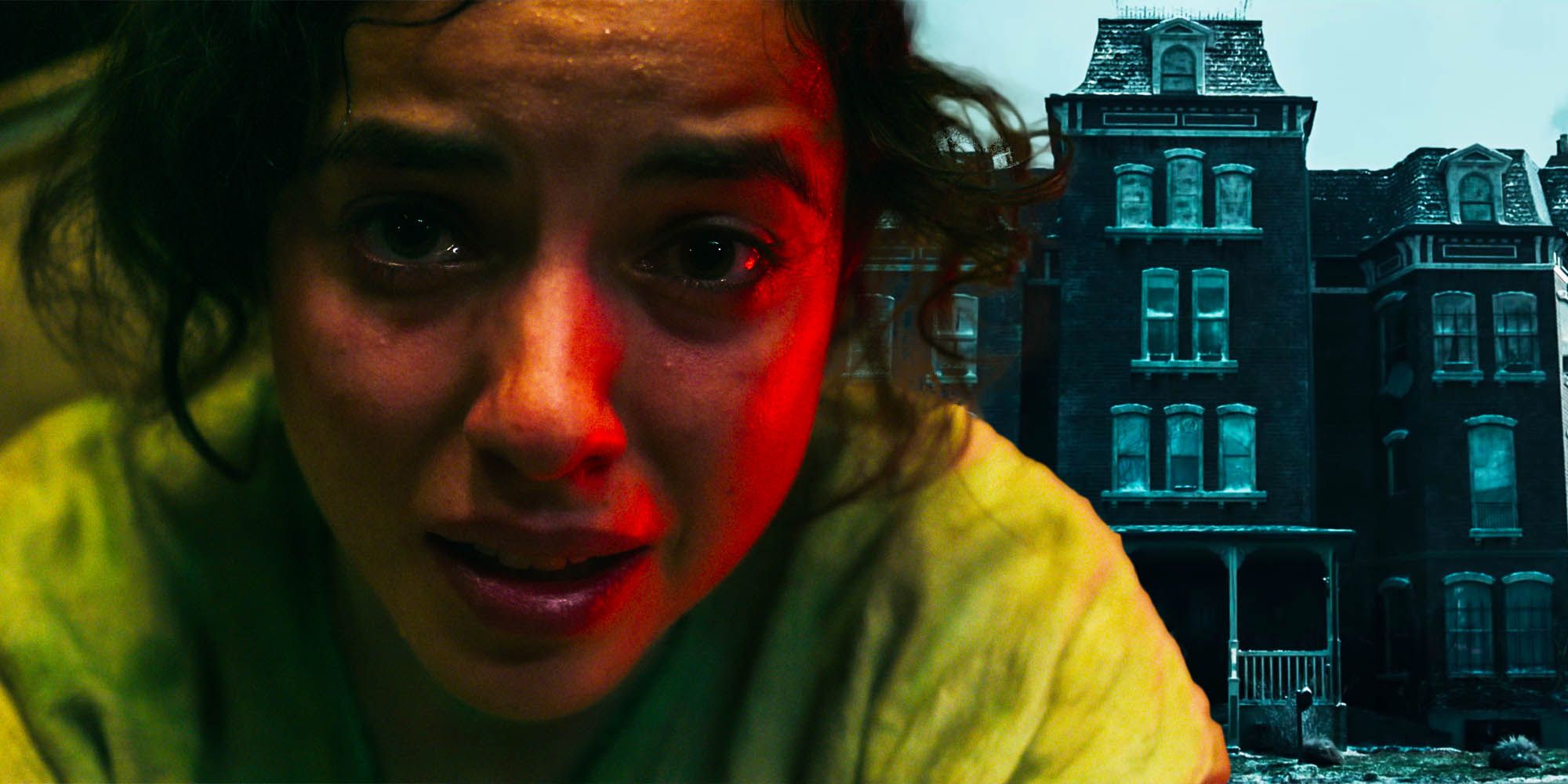
Netflix’s No One Gets Out Aliveis an incredibly fresh and topical horror film, but what does Ambar choose at the end – and does the conclusion set up a sequel? The movie, which is based on the 2014 Adam Nevill novel of the same name, recently hit streaming. While following Ambar (Cristina Rodlo), an undocumented woman from Mexico who can’t seem to catch a break, its plot features a handful of interesting threads. When her character is implied to make a final choice before the credits roll, the story’s ongoing possibilities infuse the project with an extra-potent punch.
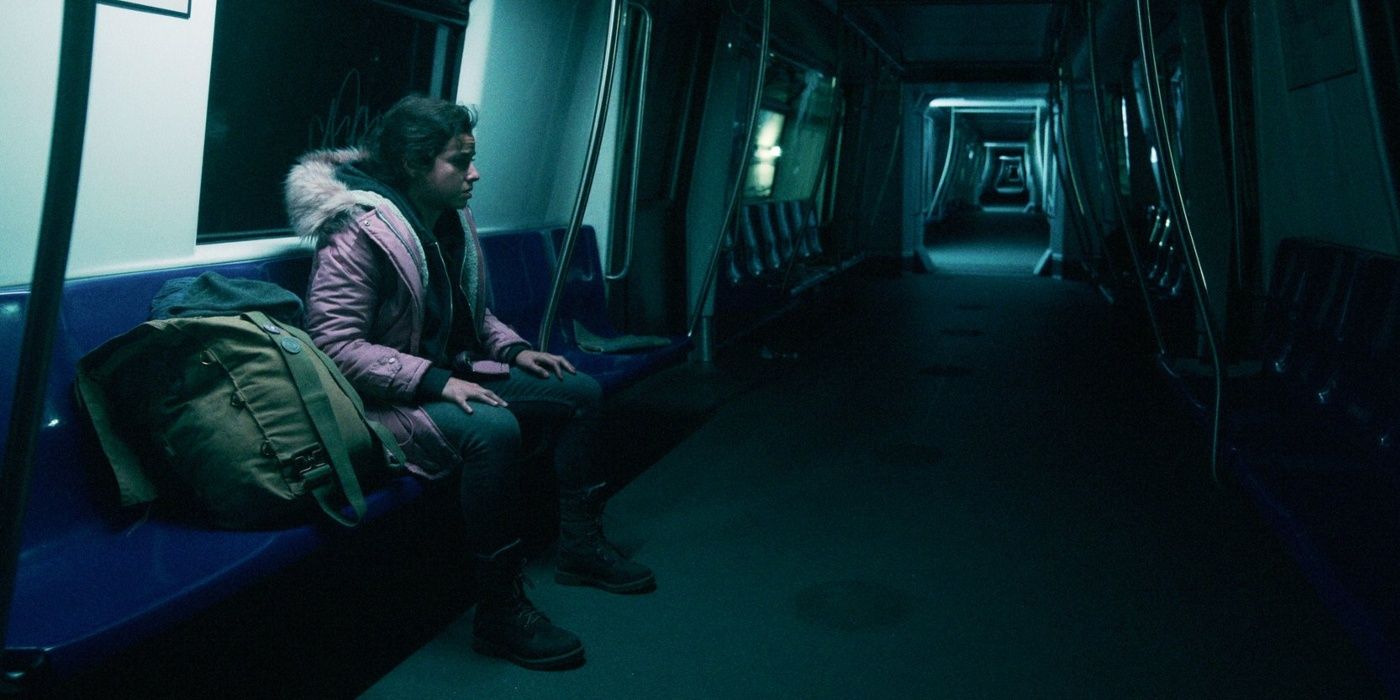
Ambar is a young woman from Mexico, who’s seeking a new life in the United States — specifically, Cleveland, OH. As if No One Gets Out Alive’s main character’s journey across the border as an undocumented immigrant wasn’t arduous and stressful enough, her ensuing existence in a new country isn’t any easier. She doesn’t know anyone, aside from being generally familiar with her distant cousin and his family, she doesn’t have a valid ID, and she has a harshly unforgiving boss. On top of being haunted by the loss of her mother and the illness that slowly snuffed out her life, she’s literally haunted by the multi-spirit-inhabited boarding house in which she soon finds residence.
There’s a lot going on within this compact, slow-burn horror flick, and, mirroring real life, the climax doesn’t leave things neat and tidy. As far as a possible sequel goes, No One Gets Out Alive’s violent, scary ending doesn’t directly set one up. There isn’t a post-credits scene to do so either. Still, Ambar has narrowly escaped death, killed Becker (David Figlioli), turned the tables on Red via sacrificing him, and is about to go back out into the world with the former villain’s malevolent powers. The movie’s actual universe is still rife with possibilities. Though a follow-up doesn’t seem like it’ll be in the cards, and probably isn’t even necessary, Ambar is definitely implied to succeed Becker in his antagonist’s role as he did with his father before him.
When Ambar’s formerly mangled ankle is healed, she takes on the appearance of pulsing with evil as he did. Now that she’s finally about to escape from the house, there’s an eerie sense that the powers she inherits also mean she’ll follow in the insidious footsteps of those who’ve had them in the past. She might even take things a step further after the Netflix-released horror movie’s timeline, and assume Becker’s place as a demon-tethered villain who preys on struggling immigrants that look for refuge in the deteriorating (and heavily symbolic) Cleveland boarding house. There’s also still plenty of explaining to do about the project’s demon-like creature, who makes an oddly animated grand entrance toward the film’s end.
In addition, the story of Ambar and her mother’s relationship seems to be more nuanced than how it appears on the surface. There’s a great deal of emphasis on the woman within No One Gets Out Alive, and an illusory version of her even shows up during the climax to trick Ambar into succumbing to the story’s evil. It could be interesting to probe that dynamic further. Although it doesn’t seem like a sequel will come from this particular fall of 2021-released horror movie, its purposely ambiguous ending is something for fans to ponder and a creative team to continue and tweak, should they every choose that direction.
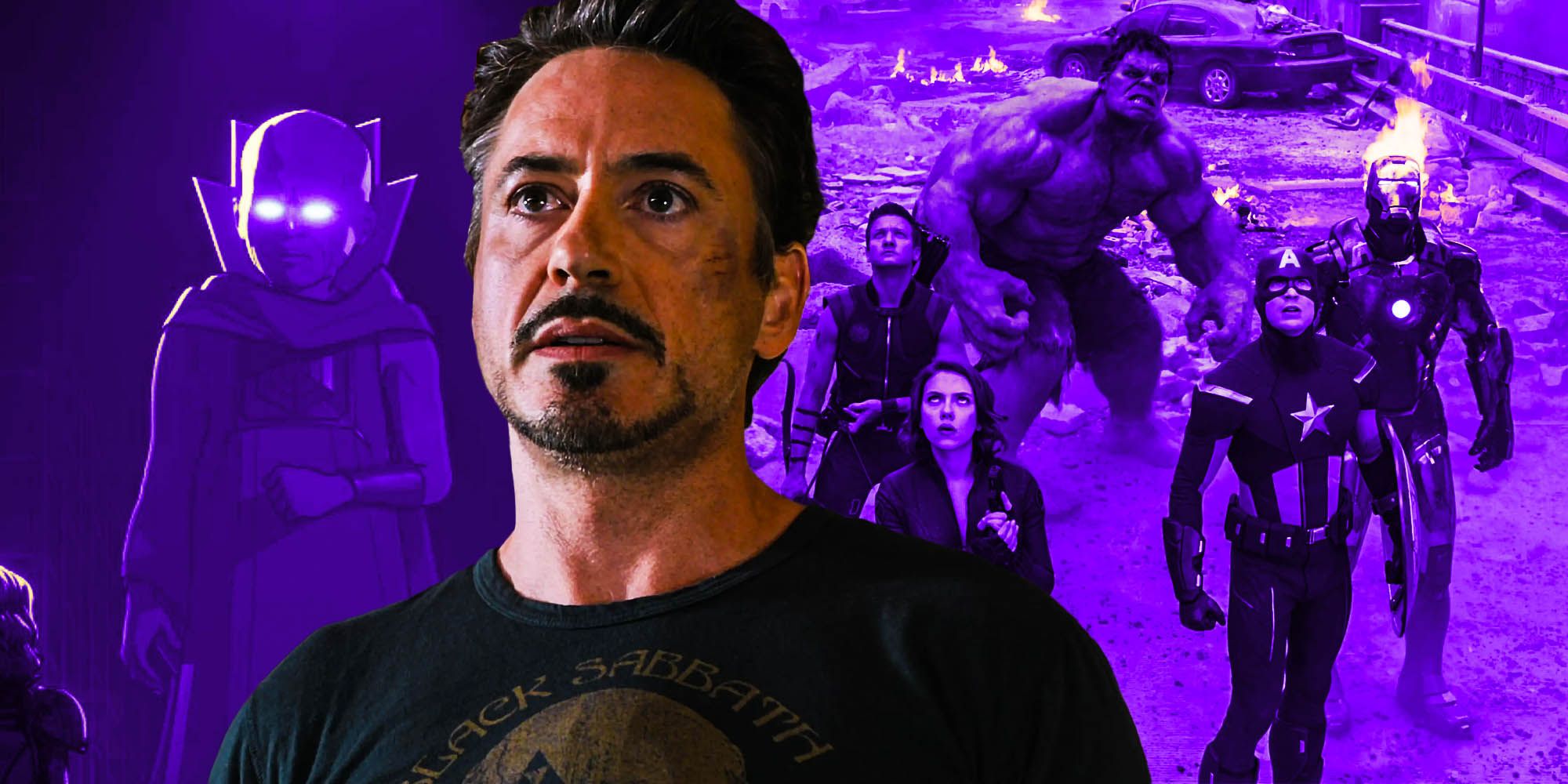
Marvel’s latest hit show What If…? has confirmed once and for all exactly why The Avengers really are the most powerful heroes in the MCU. Ironically, this elevated status doesn’t necessarily come from extraordinary abilities or physical prowess – although those, clearly, are also in ready supply. Instead, the supergroup’s definitive ranking is actually down to something much more intangible that ultimately causes their opponents to underestimate them time and time again.
Throughout the MCU, Earth’s mightiest heroes have developed a happy habit of overcoming overwhelming odds in almost impossible circumstances. Whether it’s repelling an invading Chitauri army as a team during the events of the very first Avengers film, or acting alone during their various solo projects, the six original superheroes have, without a doubt, an impressive track record. Ultimately, as seen during the climax of the Infinity Saga, the crew is even capable of defeating an intergalactic titan capable of wiping out half of existence.
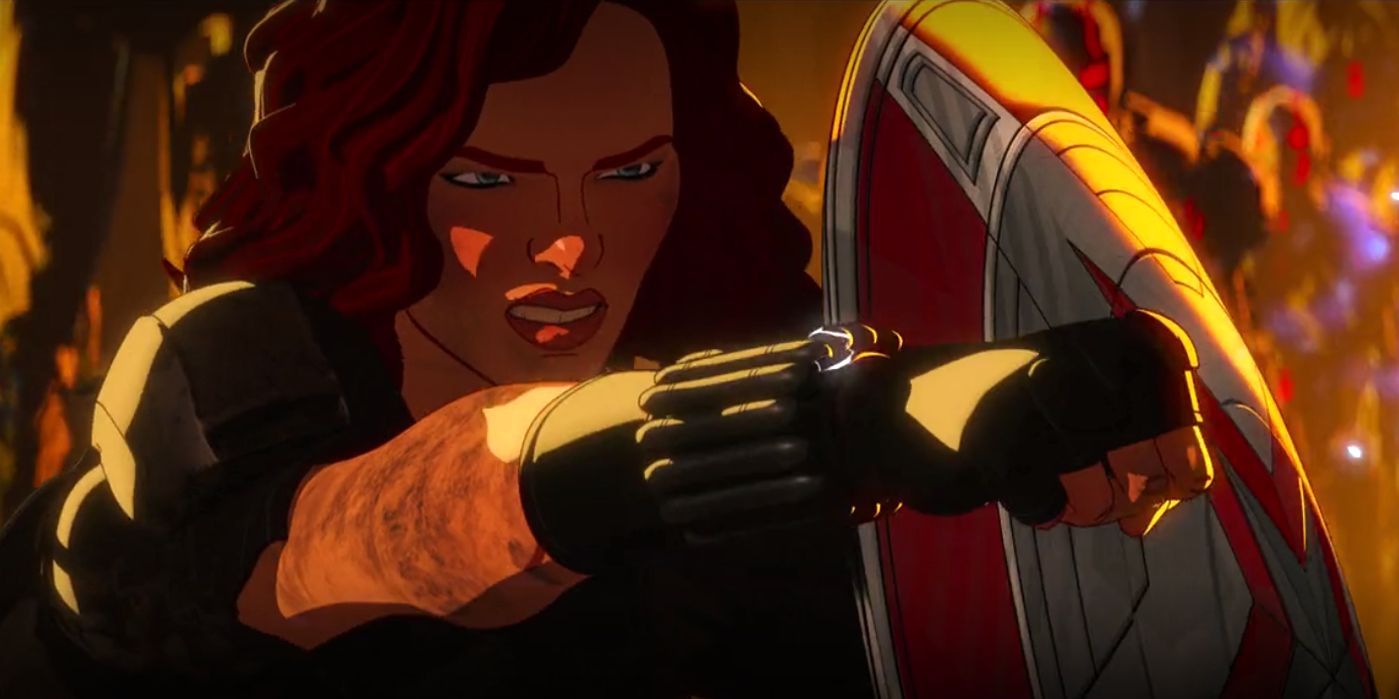
Given the long list of enemies who have fallen foul of The Avengers, their reputation is clearly well-earned. However, for all their firepower, What If…? makes it clear that the real key to The Avengers success actually lies in their humanity. As Jeffrey Wright’s omniscient Watcher explains while watching Clint Barton and Natasha Romanov search for the key to defeating Ultron, “You’re human you keep hope against the best of odds.” This highlights a consistent theme running throughout the MCU – that it is the optimism, determination and refusal to be beaten that defines humanity that ultimately makes The Avengers such a dangerous prospect for Earth’s would-be conquerors.
This argument is evident as far back as Phase 1 of the MCU, and is most obviously on display during the first Avengers movie. For example, Tony Stark’s iconic “you can be damn sure we’ll avenge it” quip to Loki is far more than a call-back to the movie’s title – it also highlights his indomitable spirit, flying in the face of Loki’s belief that humans are “made to be ruled”. Similarly, one of the movie’s most powerful moments comes when an old man stands up to Loki in the face of imminent destruction. This serves as a reminder that, even without any superpowers, humanity is capable of extraordinary bravery. It is this quality that ultimately makes The Avengers capable of their most extraordinary feats.
In many ways, the plot of What If…? episode 8 really emphasizes the point that humanity is the greatest power in the MCU. It is extremely telling that, in the aftermath of Ultron’s assault, it is Barton and Romanov – on paper the team’s most under-powered human characters – that are the last two left standing. It is their human spirit, shared with the likes of Stark, Steve Rogers and Bruce Banner that allows them to unlock the key to saving the universe. Although the MCU is inhabited with innumerable fantastically powered superbeings, time and time again it is those who have a close connection to humanity who emerge victorious.
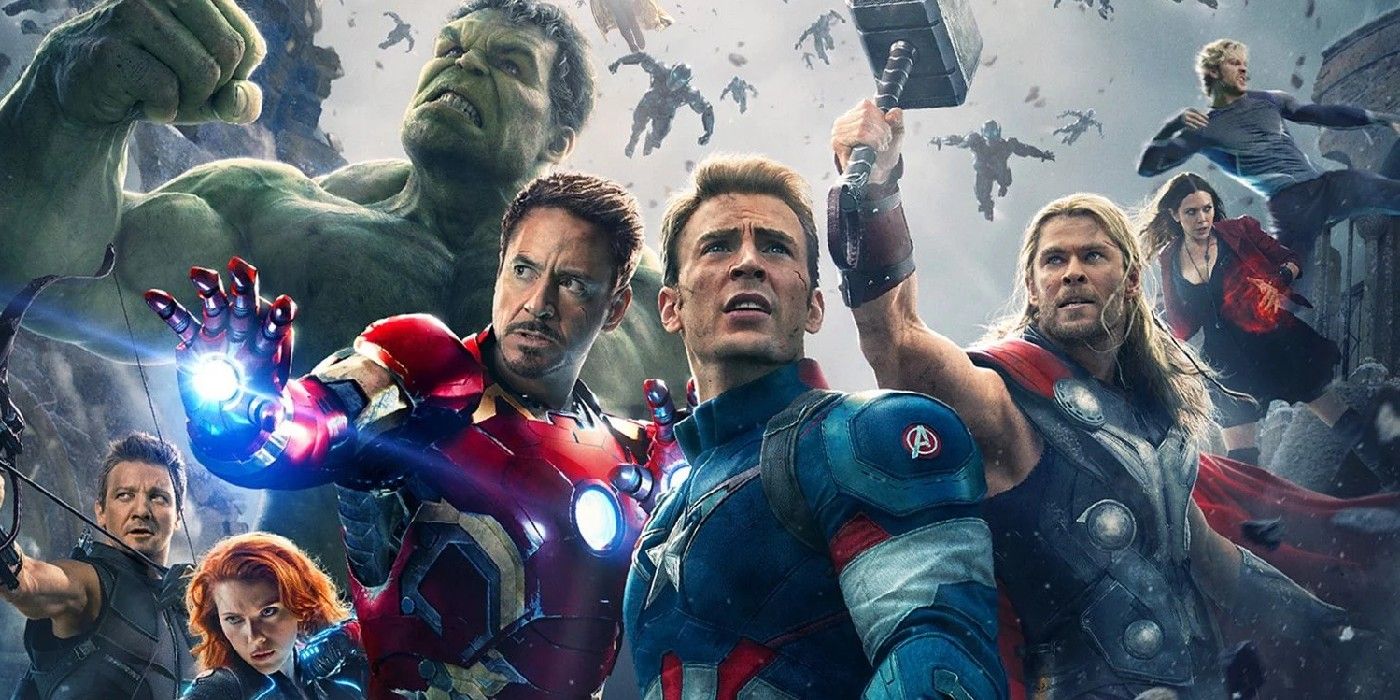
The MCU has entered Phase 4 in 2021, and many of its movies and shows have spent time fixing mistakes made in Avengers: Age of Ultron. 2015’s Age of Ultron served as the partial conclusion to the MCU’s Phase 2, and though the film was a financial success, it was a somewhat polarizing installment in the Avengers franchise, with many viewers and critics feeling that its choices in characterization and story were questionable. The following films, Avengers: Infinity War and Avengers: Endgame had far better reception, leaving Age of Ultron the closest thing the MCU had to an audience failure and the subject of in-universe maintenance for years to come.
For a film franchise that began in 2008, the Marvel Cinematic Universe has been remarkably well-received. Supervised by Marvel Studios head Kevin Feige, the MCU films are spiritually faithful adaptations of their Marvel comic source material and simultaneously crowd-pleasing blockbusters. 2012’s The Avengers changed the pop culture landscape almost instantly by proving the marketability and success of comic book-style shared universe crossovers. Since then, the franchise has grown in recognition and prestige, with Black Panther even winning multiple Academy Awards. The MCU has dominated pop culture for years, but not all of its installments are complete successes.
Some MCU films are considered adequate, at best, especially during Phase 1, where the franchise was trying to find its footing and experiment in making shared universe superhero films. The Incredible Hulk is considered forgettable by some, and the larger MCU has rarely referenced Incredible Hulk in canon until recently. Iron Man 2 had a similarly lukewarm reception, with many seeing its overabundance of characters and storylines as the result of focusing too much on setting up The Avengers and not focusing enough on its title character. 2011’s Thor, while a success, ended with the destruction of the Bifrost Rainbow Bridge, which audiences had little interest in exploring further, so the plotline was quickly resolved offscreen with few mentions afterward. Age of Ultron, however, had many farther-reaching missteps, which 2021’s Phase 4 has recently begun to clean up.
Age of Ultron was not strictly a failure, and could hardly be considered the worst film in the MCU, but it was nevertheless underwhelming compared to its predecessor. In both financial success and critical reception, Age of Ultron couldn’t beat 2012’s The Avengers, and the film was plagued by behind-the-scenes conflicts between writer-director Joss Whedon and the Marvel Studios executives regarding its story decisions. Many of Whedon’s choices were criticized by viewers, ultimately resulting in Age of Ultron being one of the MCU’s weaker installments and the departure of Joss Whedon from future MCU projects.
Some of the key points of criticism among viewers were Thor’s Infinity Stone premonition scene (which many felt was out of place), Hawkeye secretly having a shoehorned in family on a Midwestern farm (a departure from the comic source material), and the romance between Black Widow and Bruce Banner (which was seen as forced by many). Moreover, Black Widow describing herself as “a monster” for her unwilling sterilization by the Red Room was understandably seen by man as a line and overall characterization that disrespected Natasha while being in poor taste. In subtle and overt ways, the MCU has gradually worked to rectify Age of Ultron’s shortcomings and controversies, especially in Phase 4.
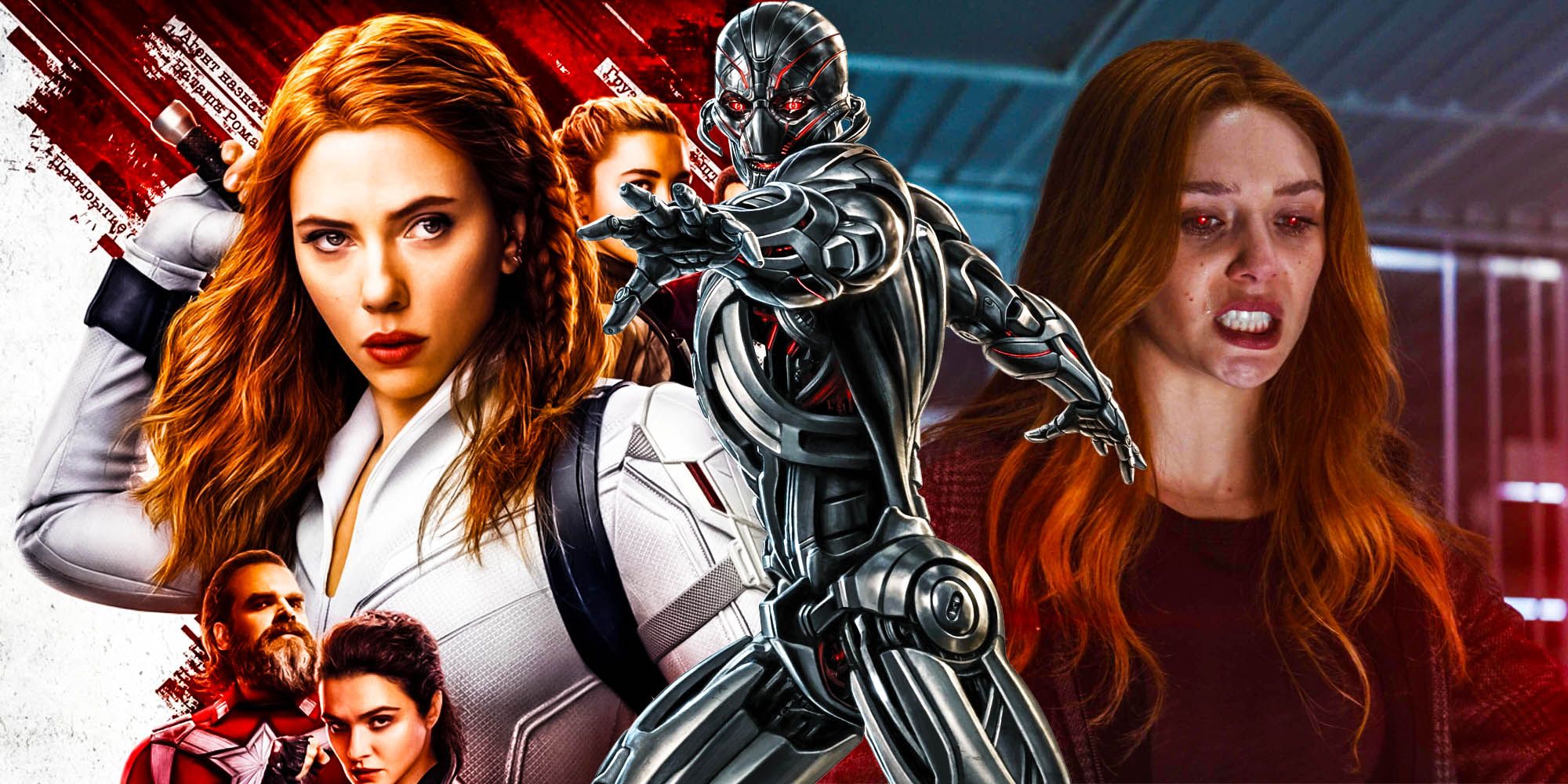
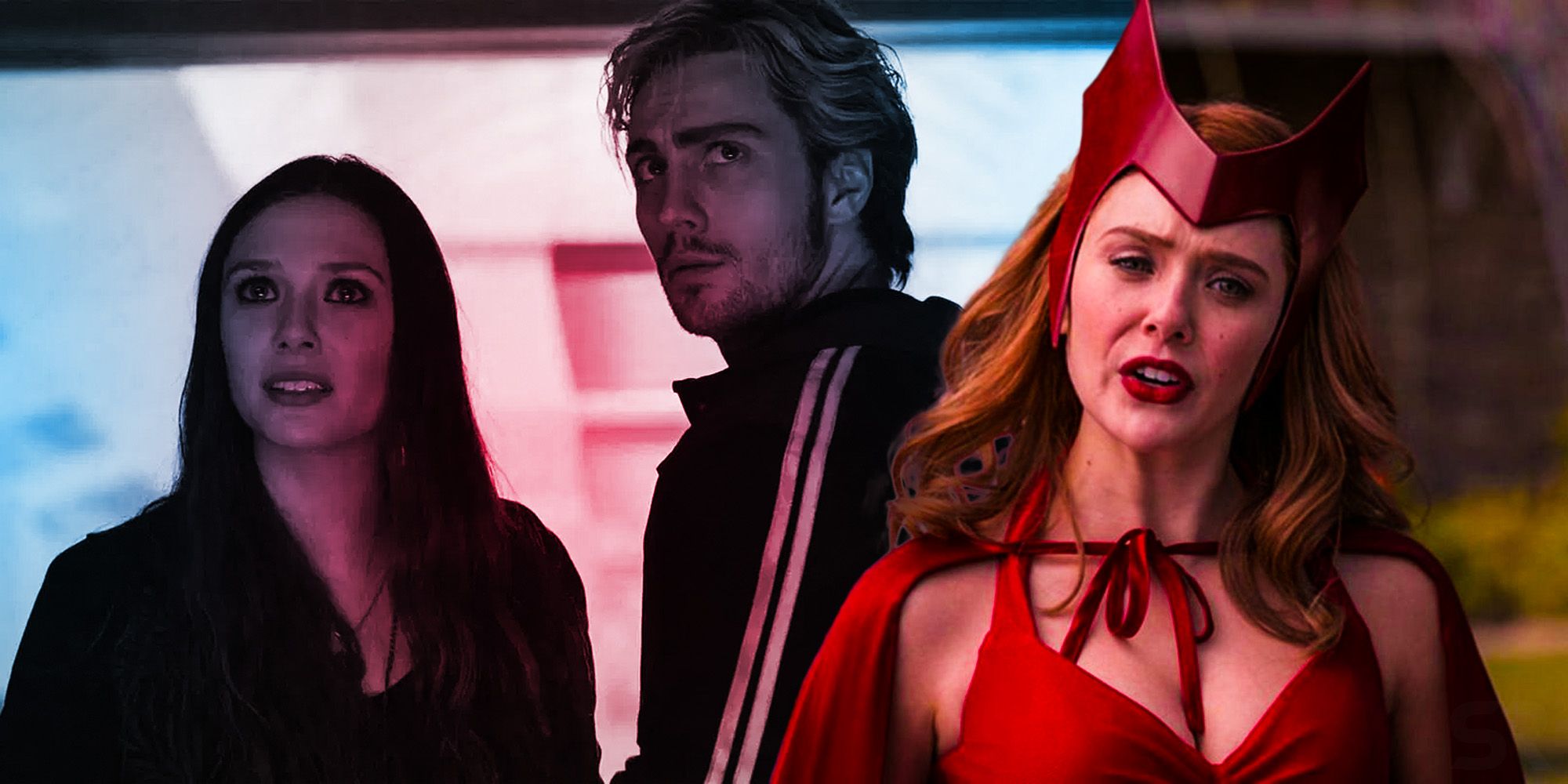
The two Phase 4 properties that have done the most cleanup work for Age of Ultron are the Disney+ miniseries WandaVision and the feature film Black Widow. For example, Hydra, the Nazi-affiliated terrorist group from the Captain America films, was seen as lacking in menace in Age of Ultron, but WandaVision succinctly fixed this via flashbacks of Wanda Maximoff’s torturous experiences as their test subject, having her latent magical abilities awakened by exposure to the Mind Stone.
Age of Ultron also glossed over the death of Pietro Maximoff, a devastating loss for his twin sister, by hurriedly moving Wanda into her role as a new member of the Avengers. WandaVision took time to go back and highlight Wanda’s anguish over her brother’s Age of Ultron death, showing that, while she found some semblance of comfort in her Avengers teammates, she didn’t have time to properly work through her grief. Black Widow, correctly, fixes Natasha’s controversial “monster” line in regard to her unwilling hysterectomy. While Age of Ultron framed Natasha as feeling shame for her sterilization, Black Widow reframes the situation to highlight the horrors inflicted on Natasha and all of the other Red Room Widows in training. Ultimately, the only real monster was General Dreykov.
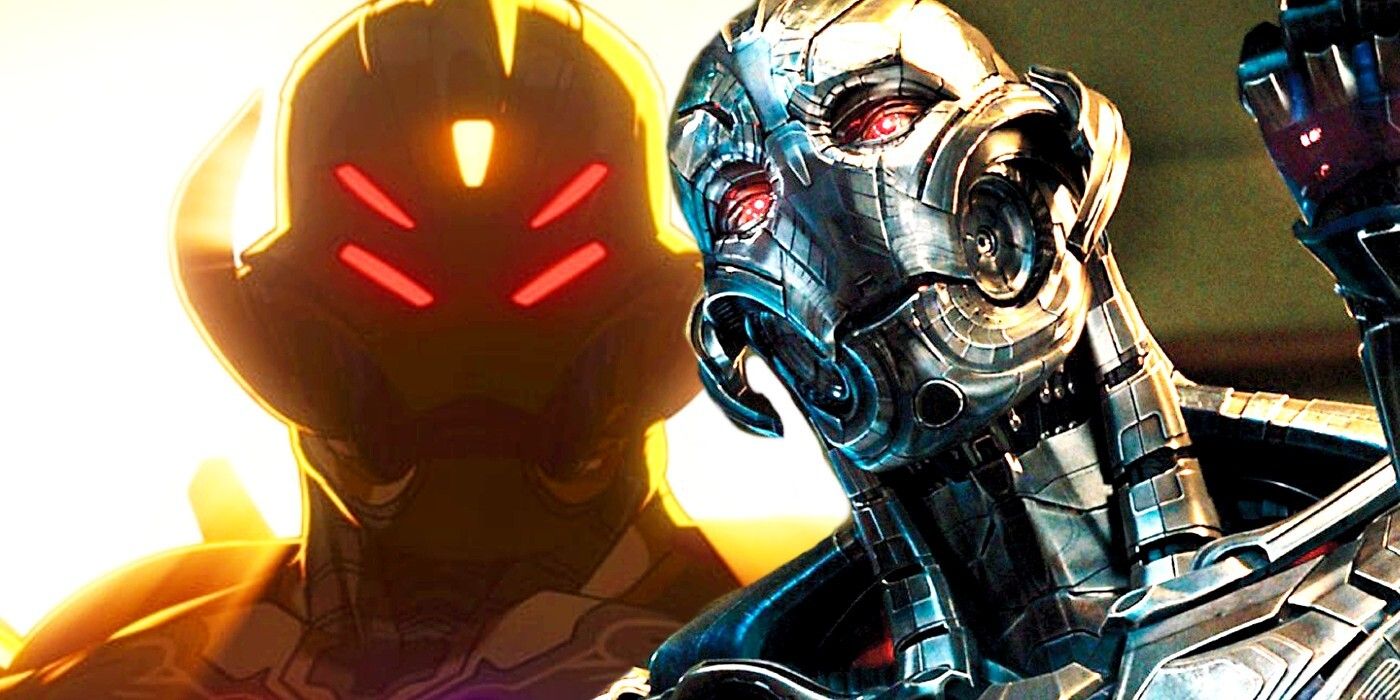
Another criticism of Age of Ultron was that its titular villain was lacking in threat level, especially when compared to other MCU villains and Ultron’s comic counterpart. Ultron was one of the greatest threats to the Avengers in the comics, and adaptations like Avengers: Earth’s Mightiest Heroes properly reflected this. The MCU’s Ultron was by no means weak, but his doomsday plot in Age of Ultron was thwarted by the Avengers within a week. Marvel’s What If…? fixes this mistake by introducing a new iteration of Ultron who successfully inhabits his vibranium Vision body, acquires the Infinity Stones, kills Thanos with ease, and threatens the entire multiverse to the shock and horror of the cosmic being known as The Watcher. What If…? creates a far more threatening version of Ultron than the second Avengers film.
Age of Ultron is one of the rare instances of a problematic MCU film, and while future properties mitigated much of the damage it did, the fixes only affect the MCU as a franchise. Retroactive changes, while more than welcome for fixing Marvel’s MCU movie mistakes, won’t change the original films themselves. Age of Ultron still failed to properly make a mainstream MCU Ultron a superlative threat, it still rushed through important characterization for Wanda, and it still mischaracterized Black Widow on multiple levels. 2021’s MCU movies and shows have been enjoyable installments that have repaired much of Avengers: Age of Ultron’s shortcomings, but they ultimately don’t make it a better movie.
Warning: Contains SPOILERS forVenom: Let There Be Carnage.
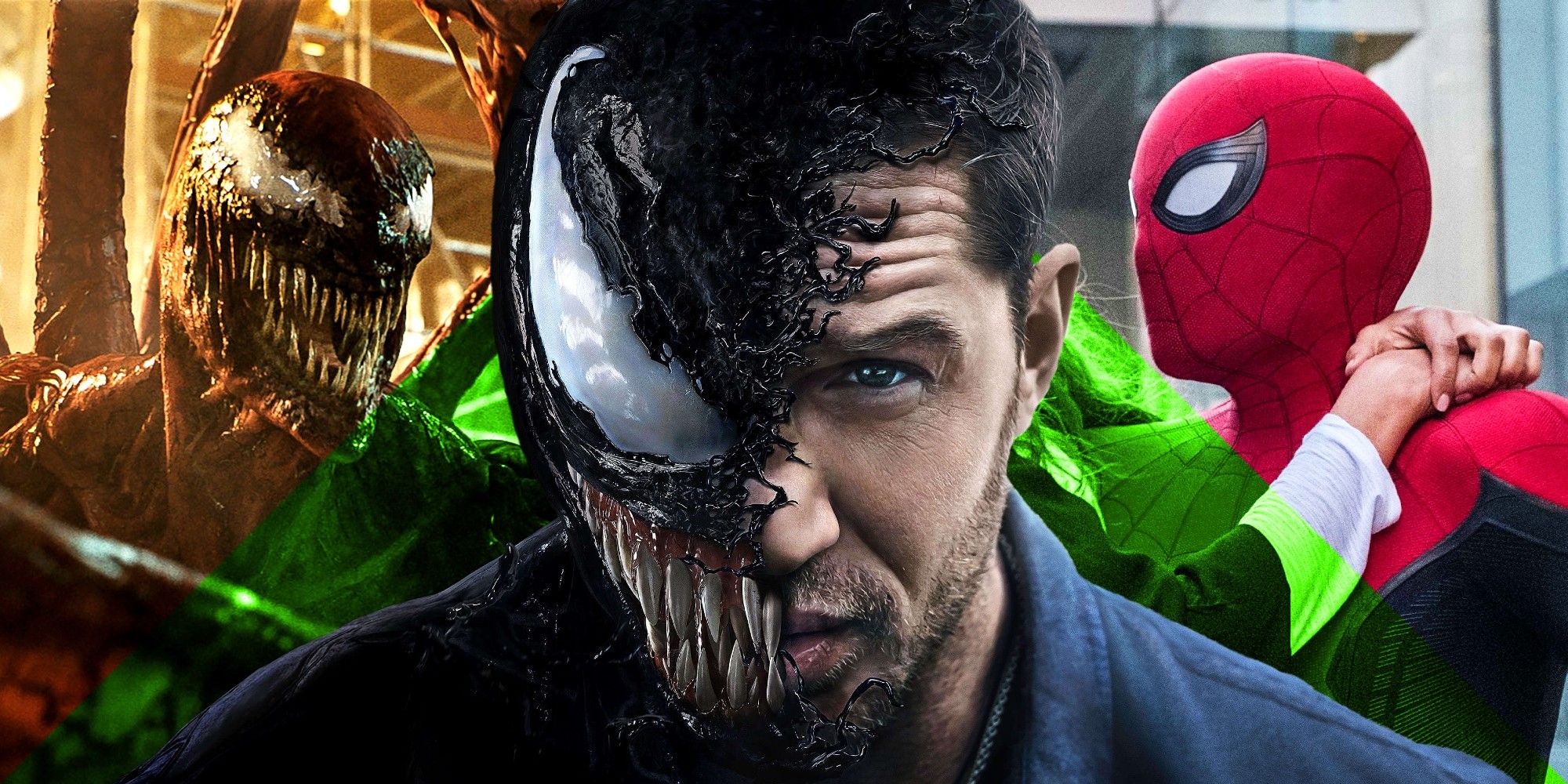
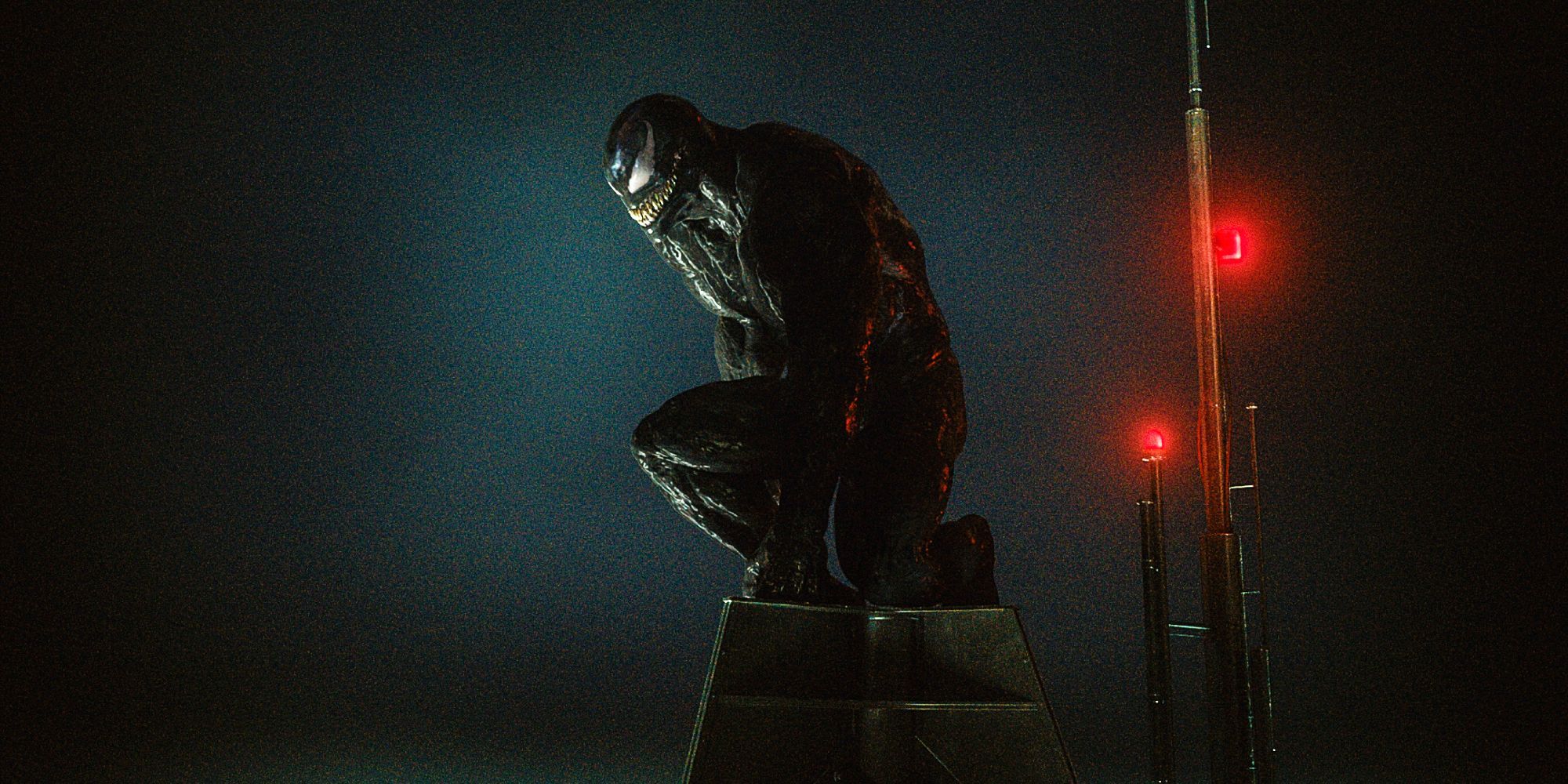
The post-credits scene in Venom: Let There Be Carnage reveals a huge twist by transporting Eddie and Venom to the MCU, but how exactly do they get there? One minute, the two are relaxing after defeating Carnage and talking about the boundless knowledge Venom has access to through the symbiote hivemind. The next, the room trembles and changes, and the TV shows the unmistakable face of Tom Holland’s Spider-Man.
Previously, it was believed that the Venom films took place in a different canon than the MCU. The Spider-Man movie rights are complicated and can be a bit confusing, but the gist is that Sony still holds the rights to the character and allows him to feature in the MCU through separate deal with Marvel. Sony is currently in the process of setting up its own cinematic universe of Spider-Man characters, which will include Morbius, Kraven the Hunter, and the Venom films. Now, it looks like Holland’s Spider-Man could be a part of that universe as well.
So, how do Eddie and Venom get from reality to the MCU? The Venom 2 post-credits scene intentionally keeps things mysterious, but the teleportation almost certainly is tied to the MCU multiverse, which has become the focal point of the story in Phase 4. The leading theory is that Eddie and Venom are brought to the MCU by the multiverse shenanigans caused by Doctor Strange’s spell in Spider-Man: No Way Home. It’s a fair guess seeing as how their jump to the MCU was accompanied by a singular blinding flash of light, which is the same thing that happened in the No Way Home trailer at the moment Strange cast the spell and it went awry. Another possibility is that Venom’s accessing of the symbiote hivemind through Eddie caused something to malfunction in some way. Considering how hard the characters of MCU’s Phase 4 have been tampering with the multiverse, it’s even possible that it was an entirely different multiverse event that brought Eddie and Venom to the MCU.
Since other major characters from past Sony Spider-Manfilms like Alfred Molina’s Doctor Octopus and Jamie Foxx’s Electro are returning in No Way Home, it wouldn’t be out of place for Hardy’s Venom to show up as well. There’s been no confirmation yet that he’ll be in the upcoming Spider-Manmovie, but because both franchises are produced by Sony Pictures, it seems most likely that Eddie’s arrival in the MCU is tied to the multiversal chaos in No Way Home.
Of course, there are still a number of things that haven’t been revealed about the MCU multiverse, any one of which could be to blame for Venom’s sudden change of reality. A powerful Scarlet Witch was messing with the Darkhold in WandaVision; Sylvie broke the timeline wide open in Loki; even Shang-Chi and the Legend of the Ten Rings touched upon alternate dimensions. The Venom 2 post-credits scene may simply be setting up a Tom Holland Peter Parker cameo in Sony’s universe rather than a Venom debut in No Way Home. Either way, the ending of Venom: Let There Be Carnage sets up a lot of exciting possibilities for the character’s future.
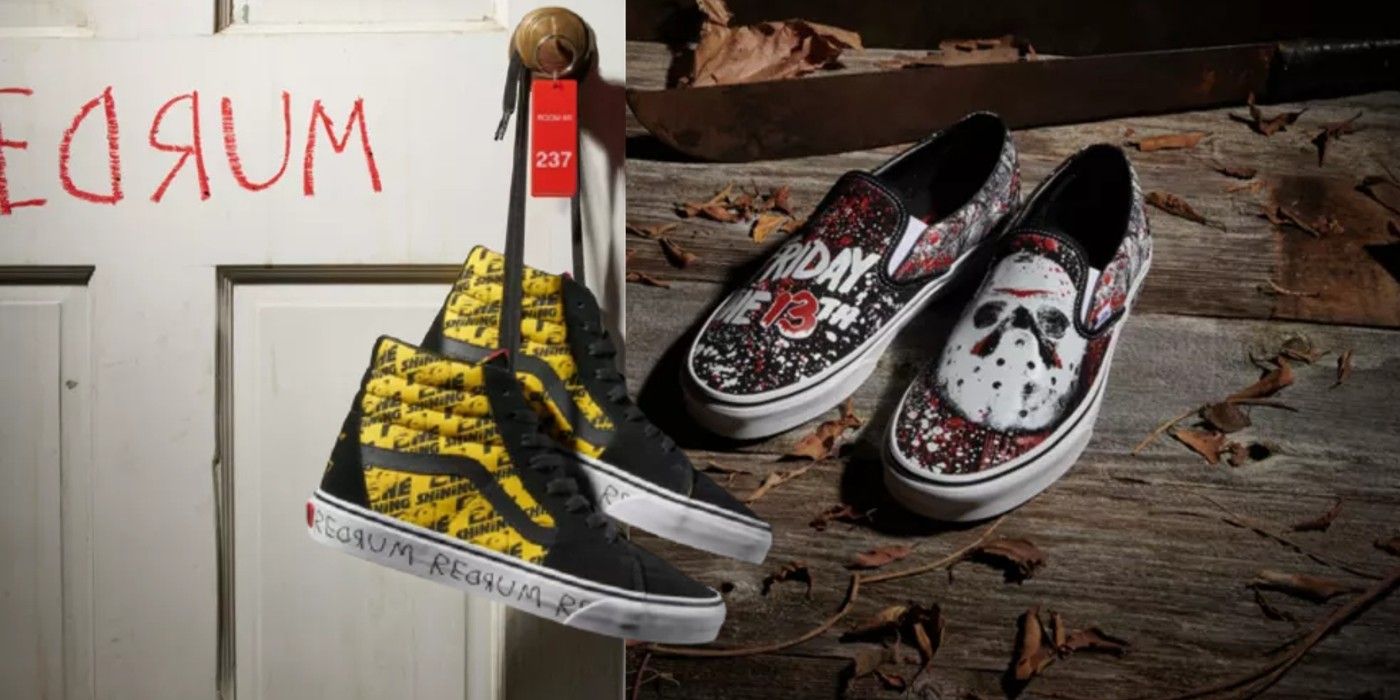
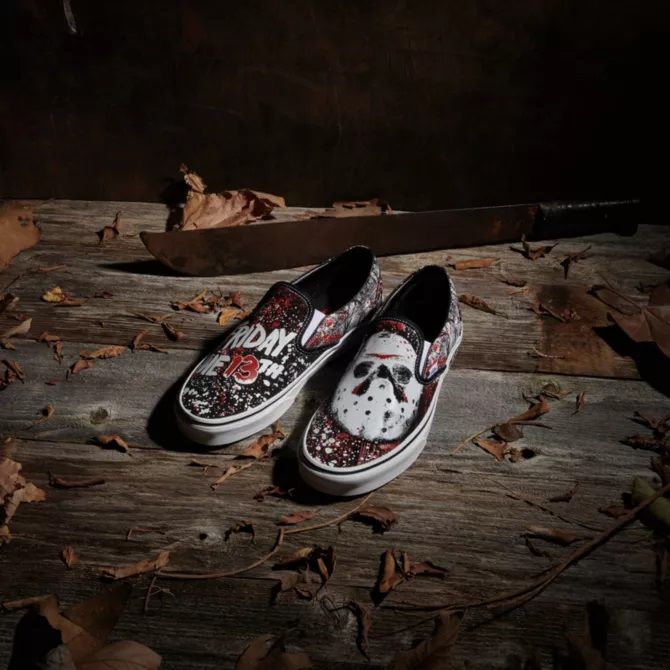
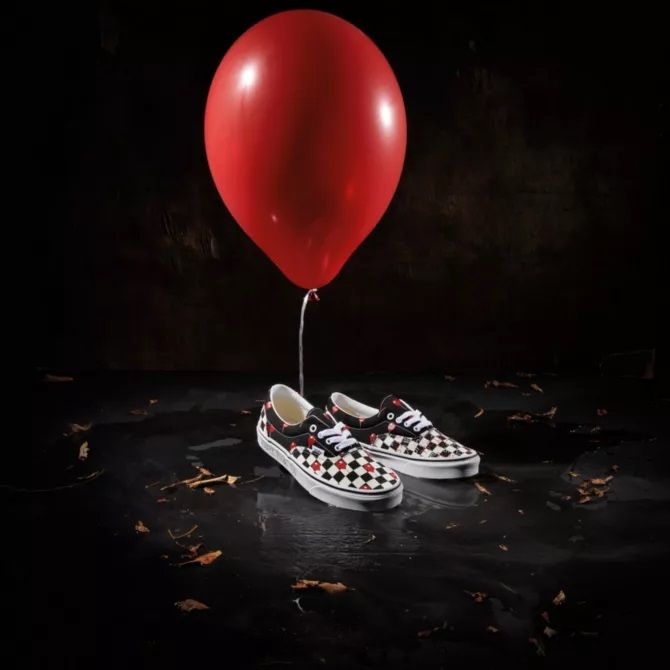
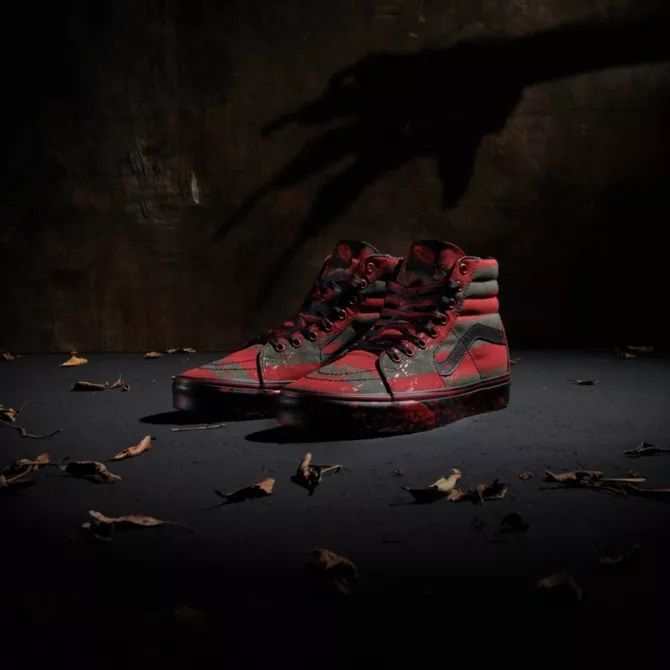
The clothing brand Vans has dropped a new collection of horror themed apparel involving The Shining, Friday the 13th and more. Just in time for Halloween, the Vans x Horror collectionallows a variety of big screen icons to be available on a range of Vans products. Vans, known for their classic streetwear look, has embraced pop culture many times in the past through collaborating with behemoths of film, TV and video games. Before these monsters, franchises like Star Wars, Harry Potter and The Simpsons have been given the Vans treatment.
It has been a while since some of these characters were seen on the screen. The A Nightmare on Elm Street franchise hasn’t recovered from its failed 2010 reboot, and the rights to Friday the 13th have been, until recently, tied up in a series of lawsuits. Stanley Kubrick’s The Shining has managed to stand the test of time and Doctor Sleep, the long awaited sequel directed by Mike Flanagan, has kept the horrors of the Overlook Hotel in the zeitgeist. Younger audiences may be more drawn to Pennywise than the other villains, with both films in the recent adaptation of Stephen King’s It being smash hits at the box office.
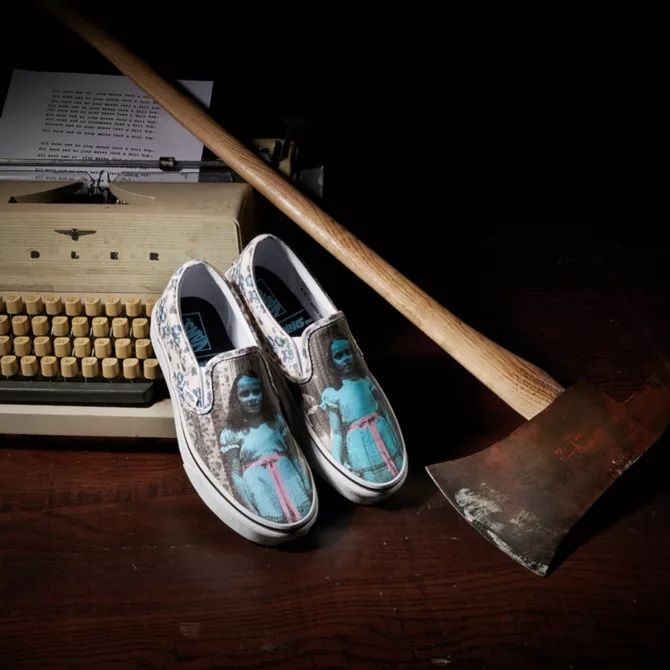
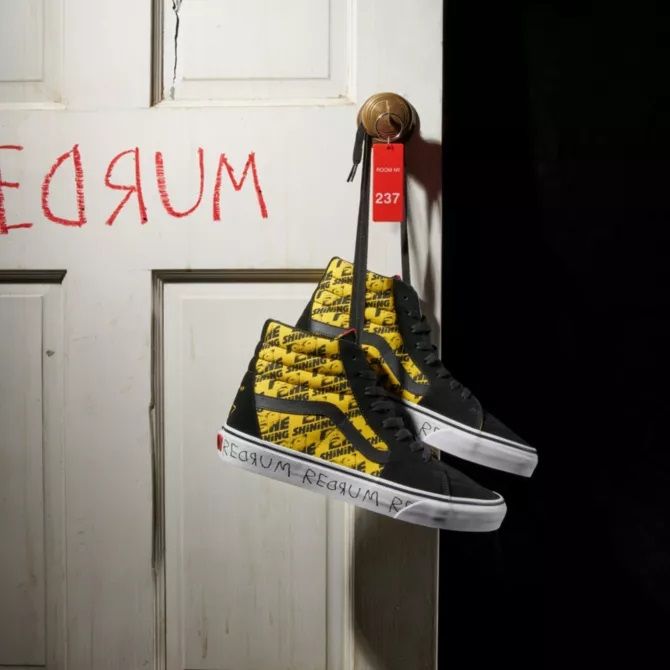
The collection is available to purchase on the Vans websiteand includes an array of clothing, from socks and shoes to hats and hoodies. All the films that inspired the collection, which includes the previously mentioned franchises and also The Lost Boys and The Exorcist, were given their own shoe designs as well as other unique clothing items. The new release combines Vans’ classic designs with images inspired by some of cinemas greatest horror movies. Check out a sampling of the Vans x Horror collection, below:
As was the case with Vans’ other pop culture collaborations, this collection is only on a limited release and will not last forever. Some of the designs include hi-top shoes with “REDRUM” written on the midsoles, a white t-shirt with Pennywise’s evil grin printed on it, and a black hoodie with Jason Vorrhees’ famous hockey mask emblazoned on the front. Horror heads are likely to go mad for these fresh looks. Fans who want to be seen in shoes that are designed after Freddy Krueger’s famous striped sweatshirt will have to act fast.
Vans’ past pop culture releases have all proven to be wildly successful, and horror fans are often among the most loyal (going by the longevity of some of these series) so this feels like a match made in heaven. These designs by Vans could become an annual uniform for spooky season, or just an everyday fit for gore fans. The launch of this range may also help some of these waning franchises recapture the attention of audiences, and with Jason Blum rebooting The Exorcist, the timing feels right.
Ninjas are cool, as are tabletop roleplaying games; therefore, tabletop RPGs with ninjas in them must be extra cool! But what is a ninja, exactly, and what makes them such a staple of pop culture? The following RPG systems, each with their own stylized take on Ninjas somewhere on the spectrum between Teenage Mutant Ninja Turtles and Sekiro: Shadows Die Twice, try to answer this question.
Ask most people born in the 20th century what a ninja is, and they’ll generally think of a stealthy assassin dark clothes and a hooded cowl, wielding exotic weapons such as throwing stars, sickles, and Sai daggers. Ask people who grew up during the 2000s or 2010s, and they may cite the Ninja Gaiden series or the Lego Ninjago franchises, media about warriors who wield magical “Ninjutsu” techniques and exotic martial arts. Ask a historian about Ninjas, and they might mention the “Shinobi” mercenary underclass that emerged in 12th century Japan, who hired themselves out as spies and assassins to warlords, wielded weapons inspired by agricultural tools, and would frequently disguise themselves as menial servants to close in on their targets.
Many of the roleplaying games listed below were written by people who did their research about actual historical ninjas, then decided to wholeheartedly embrace the stylized, pop-culture conception of ninjas, “Shadow Clones” and all. Some of these ninja RPGs take place in historical fantasy settings similar to the times actual ninjas existed in (as with Sekiro: Shadows Die Twice’s setting and NPCs), while others have ninjas leaping across the rooftops of modern day metropolises; each, regardless, are about roleplaying ninjas in stylish, stealthy ways.
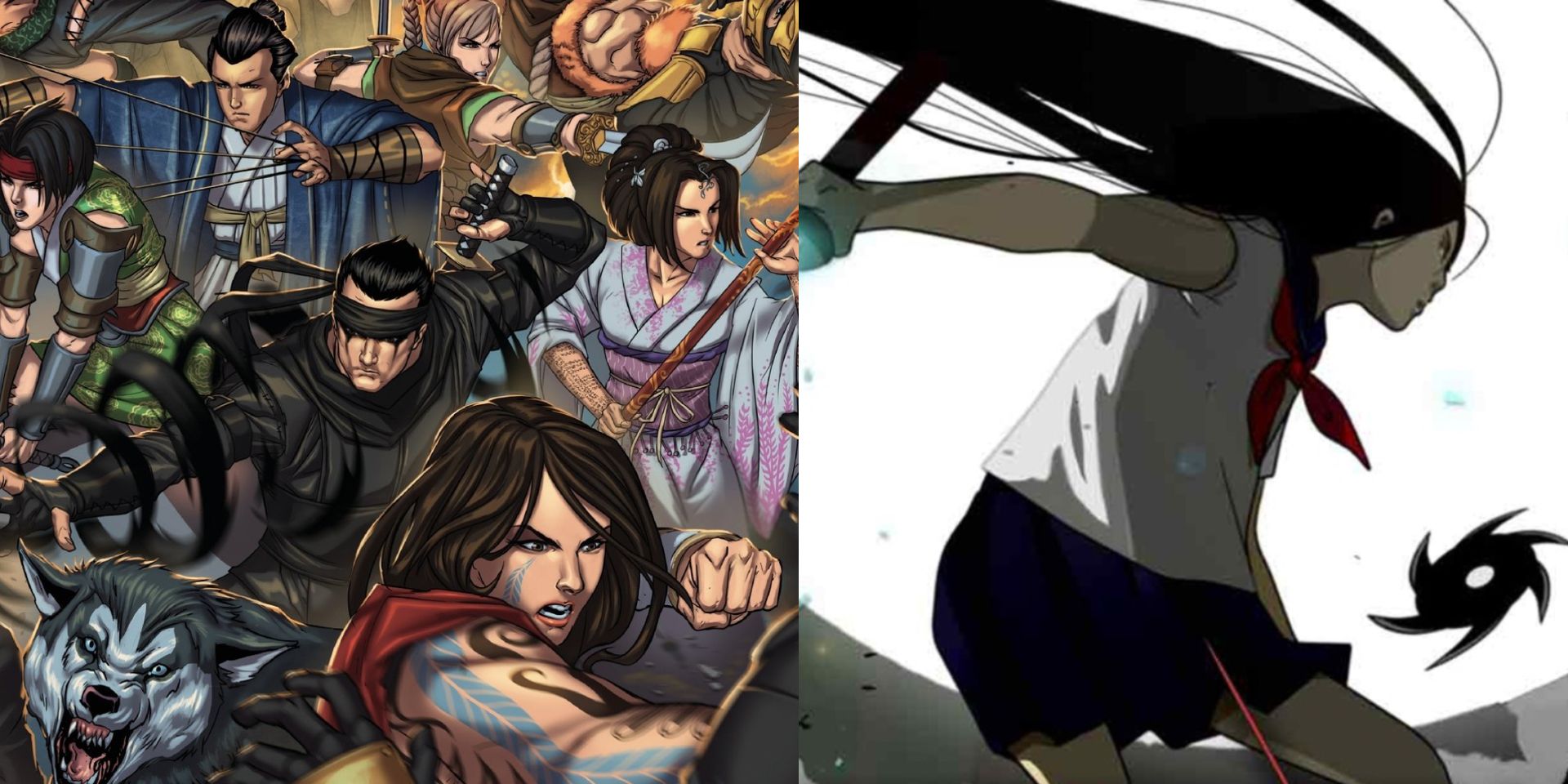
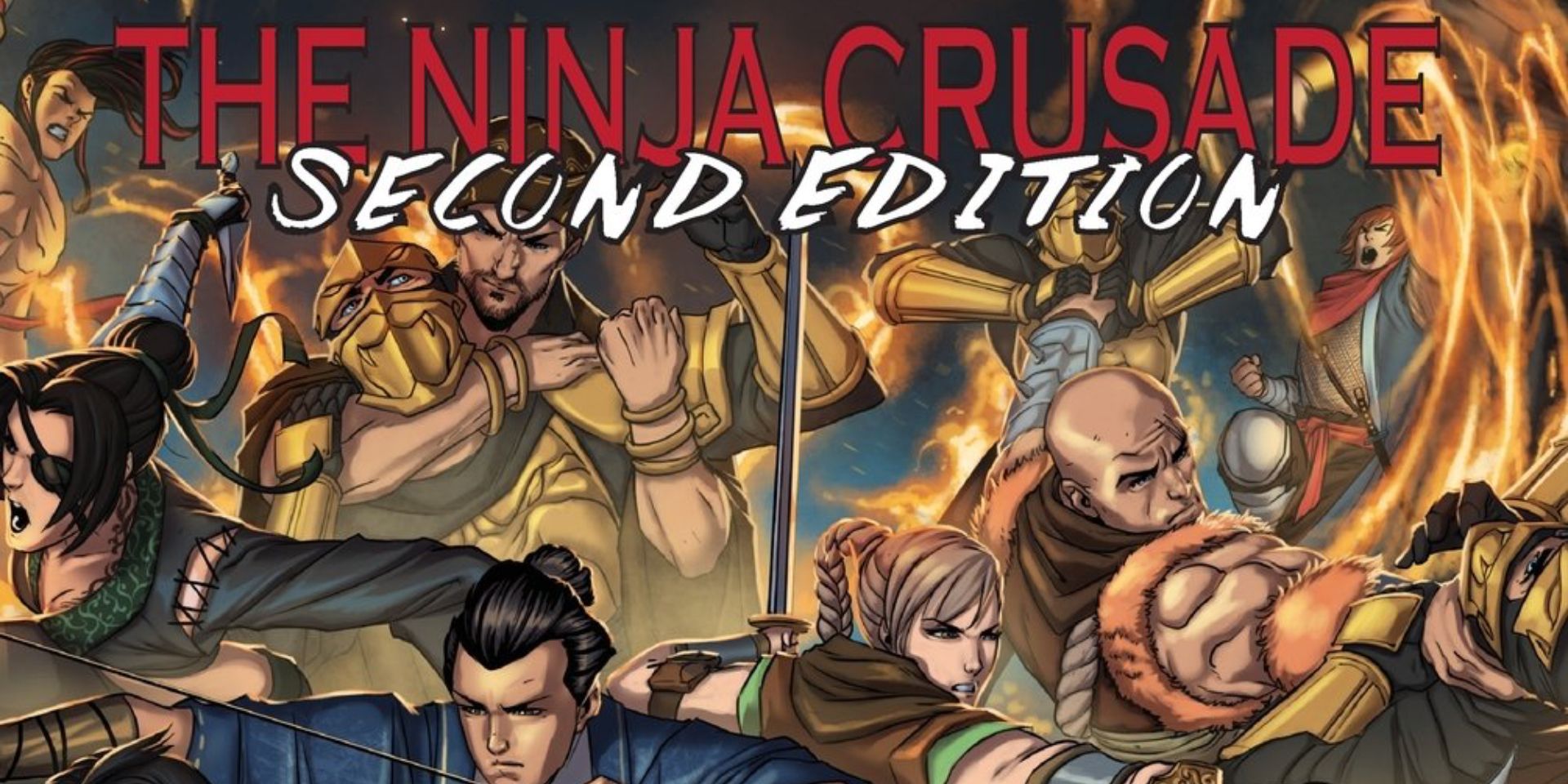
The 2nd edition of The Ninja Crusade, available on Drivethru RPG.com and set in a fantasy version of medieval Japan, are about heroic ninjas from the Lotus Coalition, fighting a war of resistance against the militant forces of the Izou Empire. Players create characters aligned with one of the ten clans of the Lotus Coalition, each specializing in certain skills and embodying different archetypes of ninja. The wandering adventures PCs go on in The Ninja Crusade draw heavy inspiration from the Ninja Scroll anime, along with more modern works such as the Naruto franchise.
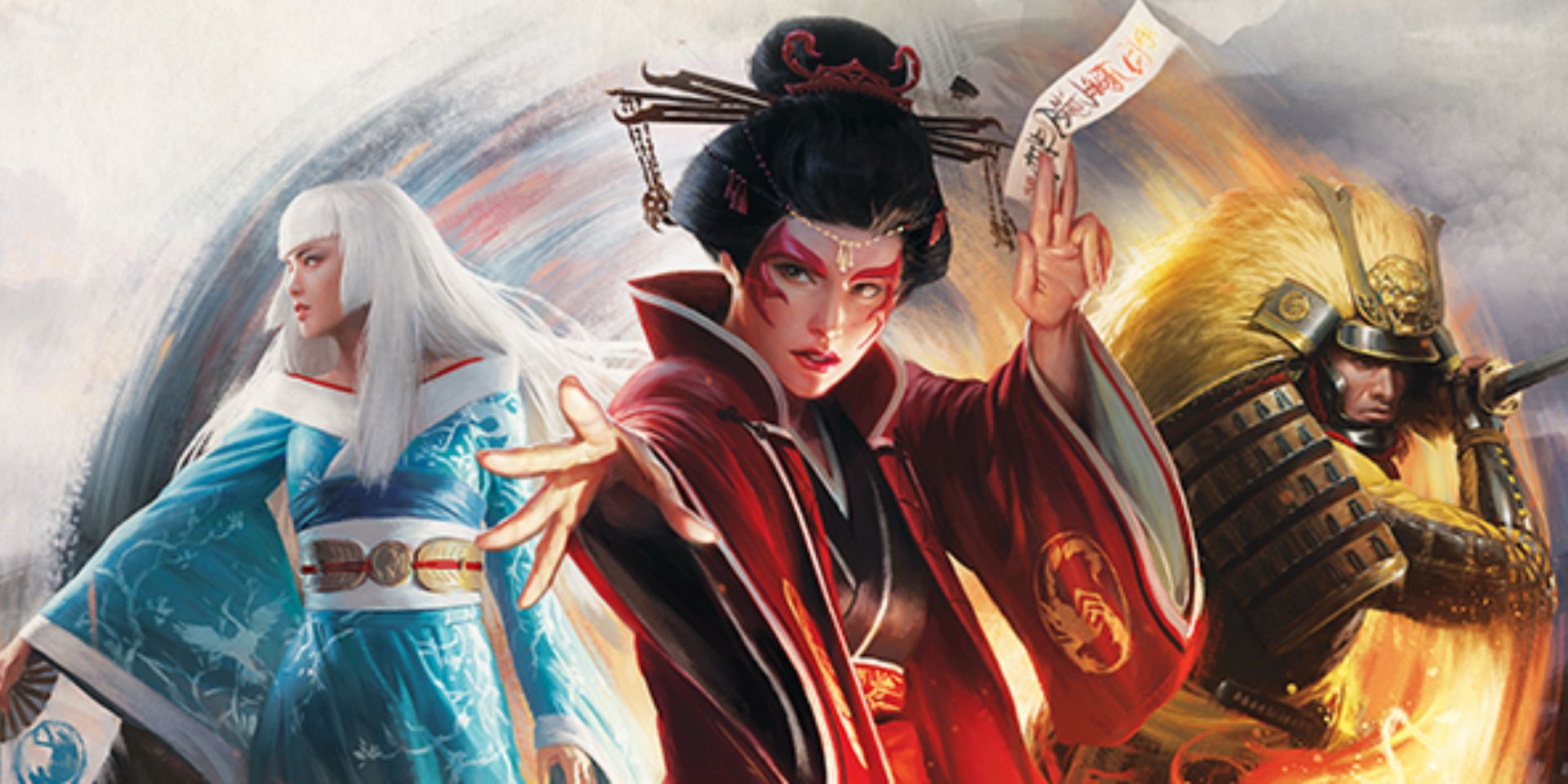
Legend of the Five Rings started out as a collective card game franchise with a rich meta-plot, then expanded into tabletop roleplaying. The latest edition of the Legend of the Five Rings Roleplaying Game can be used to tell stories about noble samurai and magic-users fending off the dark entities of the Shadowlands, or political plots with scheming courtiers and genius generals. If players choose to create characters who hail from the mask-wearing, ninja-patronizing Scorpion Clan, they can also immerse themselves in tales of stealth, infiltration, lies, and assassination – dishonorable deeds committed for the greater good of Rokugan.
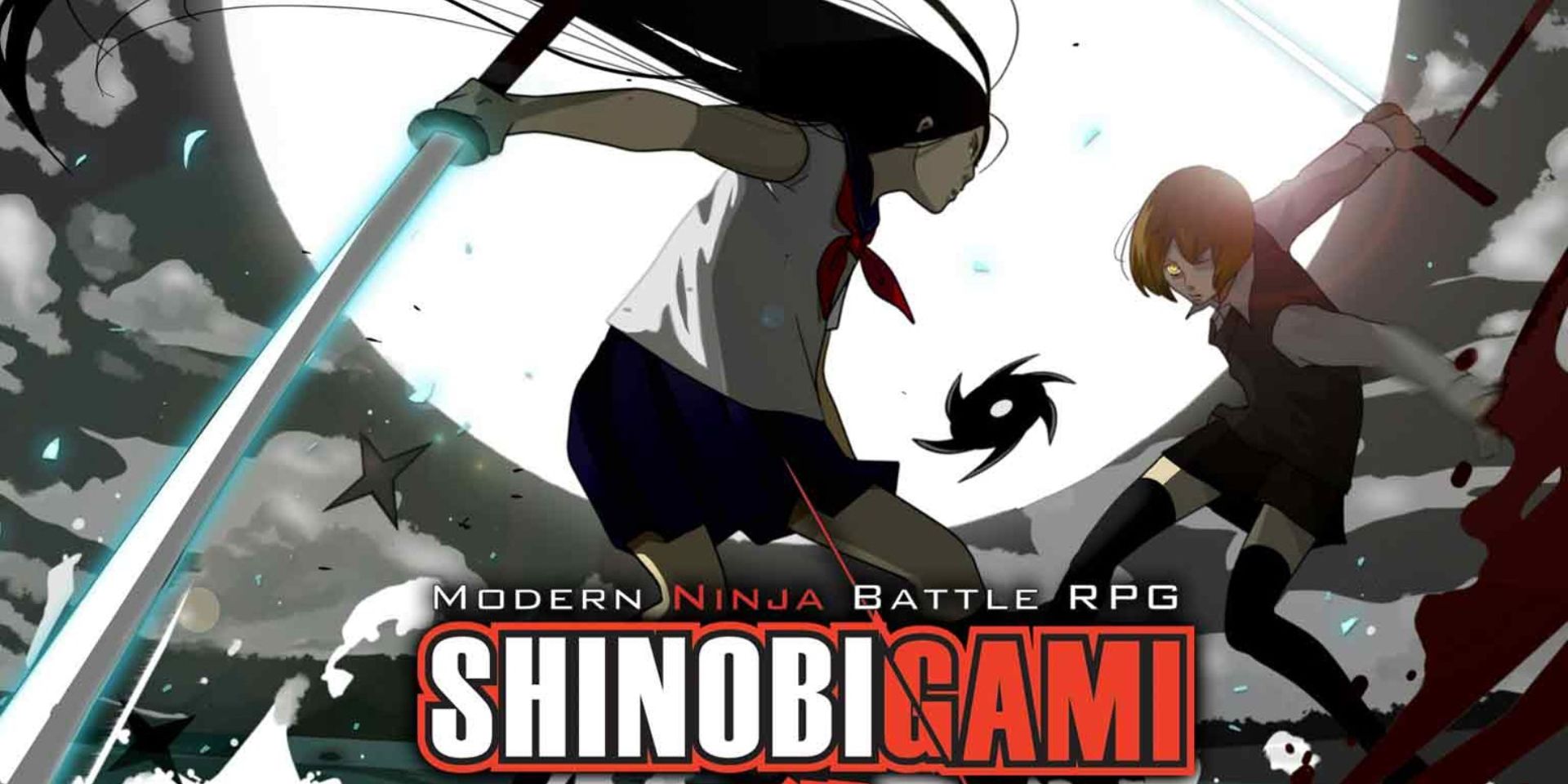
Shinonbigami, an RPG translated from Japanese after a successful Kickstarter, is set in modern day Japan and is centered around a shadow war between the members of rival ninja clans – who also have day jobs, families, schoolwork, and other everyday concerns. The gameplay cycle of a Shinobigami session is broken into four parts. In the first three “Cycles,” each ninja player character takes a turn in the narrative spotlight to pursue their secret goals, learn the secrets of other characters, and develop their relationships. The final part, a “Climax Phase,” is a free-for-all battle between players and groups of players where secrets are revealed, relationships are pushed to the breaking point, and spectacular ninja arts are employed.
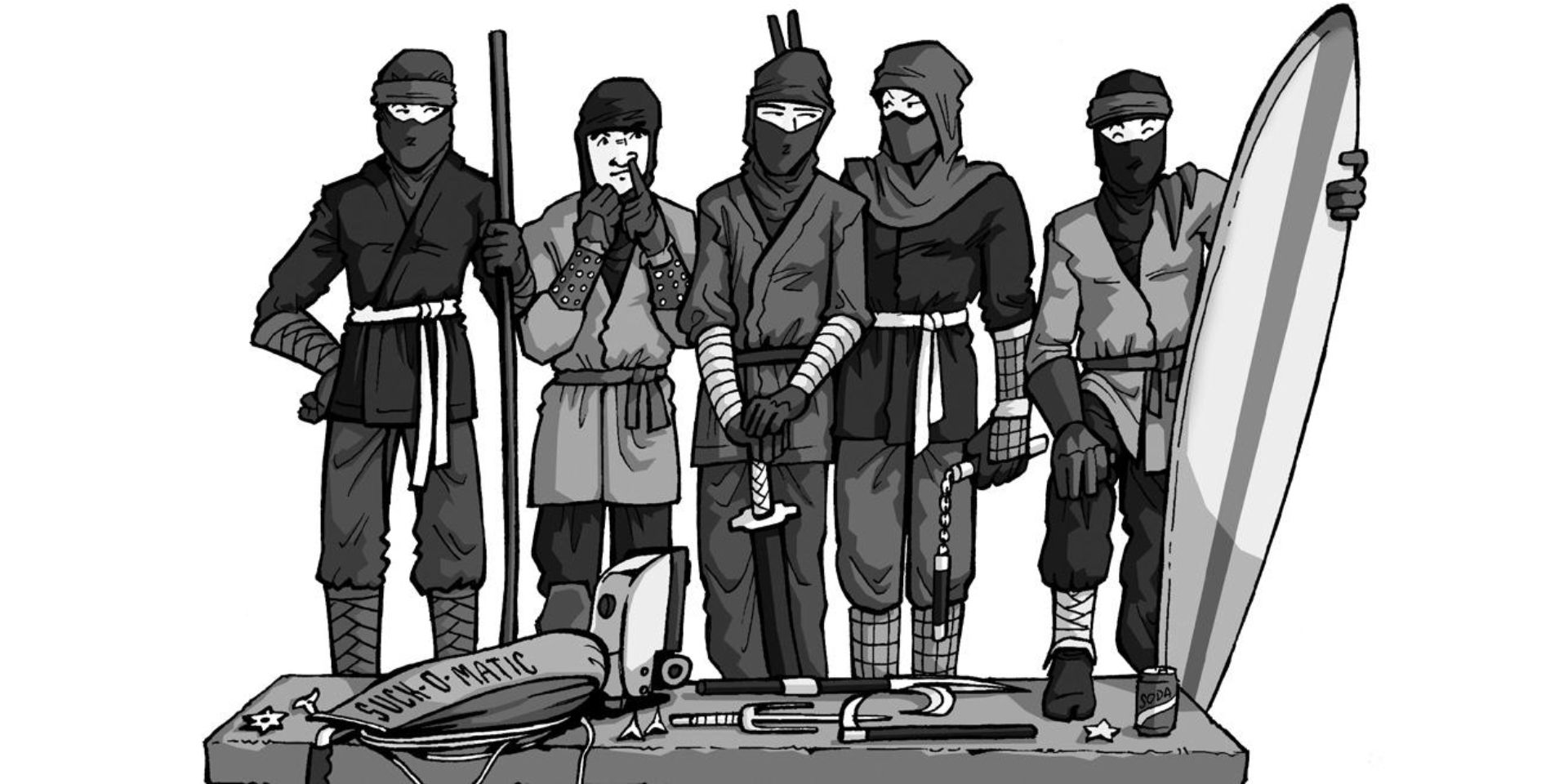
Ninja Burger is a low-prep RPG about ninjas. Who work in the fast-food industry. Set in a world that’s a madcap blend of Teenage Mutant Ninja Turtles, The Adventures of Dr. McNinja, and the “Deliverator” scene from the cyberpunk novel Snow Crash, the goal of players in a Ninja Burger session is to use the stylized ninja skills of their PCs to deliver meals to customers (undetected) within 30 minutes or less. No matter what. Obstacles standing in the path of Ninja Burger PCs can range from mutant sewer dwellers and hostile ninjas to rival fast food franchises such as Pirate Pizza, making this a tabletop RPG with ninjas that can provide as much amusement as adventure.
Phantasm is one of the strangest horror franchises ever, but tying it together is The Tall Man, a towering villain who’s taken multiple forms. The Phantasm movies have often been likened to nightmares captured on film, especially the 1979 original, wit…
An artist has recently created 35 different colorful icons of villains in the Final Fantasy series. With 15 mainline entries and numerous spinoffs, the series has presented many antagonists throughout the years, and some fans do their best to recreate their favorites with fan art. Final Fantasy is known for its games featuring rag-tag casts of heroes facing off against powerful villains who threaten the fabric of existence in their worlds.
This comes on the heels of the Tokyo Game Show, where publisher Square Enix has announced new games and provided updates on upcoming releases in a stream. New information on Final Fantasy 16, the next mainline game, is sparse, but the company did reveal a new trailer revealing Stranger of Paradise: Final Fantasy Origin‘s release date. This title is an action-RPG spinoff co-developed by Team Ninja, known for its work on the Nioh franchise.
Related: FF7 The First Soldier Gameplay Shows How Classes & Chocobos Will Work
On Reddit, user Old-Biscotti647 posted fanart with colorful depictions of 35 different Final Fantasy villains. This picture includes many of the main villains for each game in the series, from FF 1‘s Garland up to FF 15‘s Ardyn Izunia. The art covers the highest number of villains from entries 7 and 9, and when a Reddit user asked about it, the artist mentioned that those are among their favorites, 9 in particular. When also asked about missing villains, such as FF 12‘s Vayne Solidor or FF 6‘s Emperor Gestahl, the artist assured that those characters will be joining the roster soon. The artist also creates fanart for movies, TV shows, and other games, demonstrating them in the Instagram account platesandoatcakes. Recent games the artist has covered are Borderlands, Overwatch, and Deltarune.
Sharing fan art is a popular activity for many gamers. Recently, the Mega Man Zero artist created Metroid fanart in his signature style to celebrate the upcoming launch of Metroid: Dread. Many talented artists from all spectrums of fields like to share their love for their favorite games, movies, and television shows, and they often garner praise. It’s especially interesting to see artists present characters or scenes from different games in their own unique style, which gives the art a different flair.
Whether it’s official art, concept art, or fan art, people love to enjoy these works as they celebrate their favorite series. And Final Fantasy is no stranger to fan art since its first release in 1987. The series is also known for having crossover bosses, such as Final Fantasy V‘s Gilgamesh appearing across the series, as well as reoccurring summons. In the meantime, there’s a lot to be excited about in the near future for Final Fantasy, and fans can bide their time by checking out art like this from talented creators.
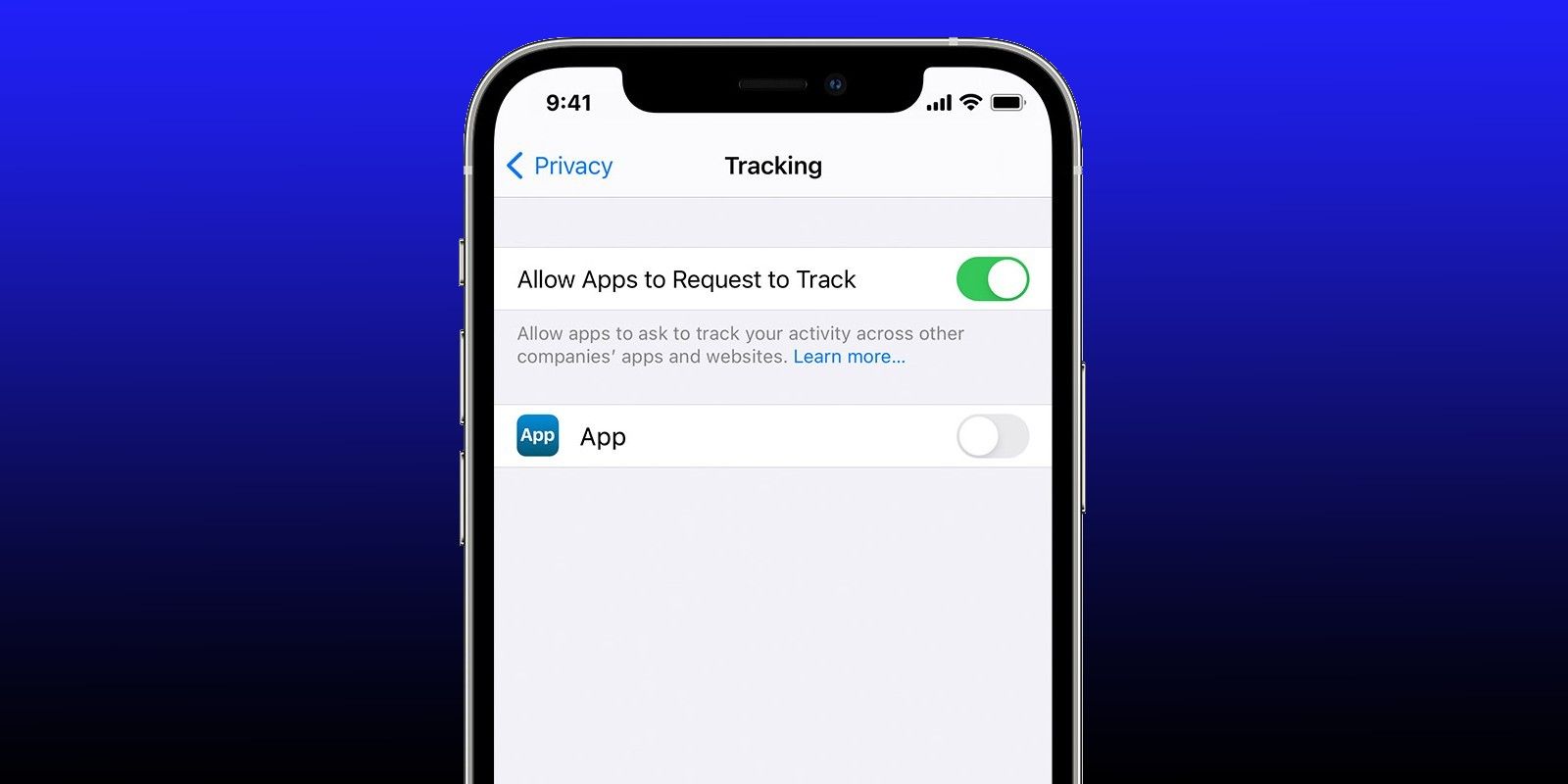
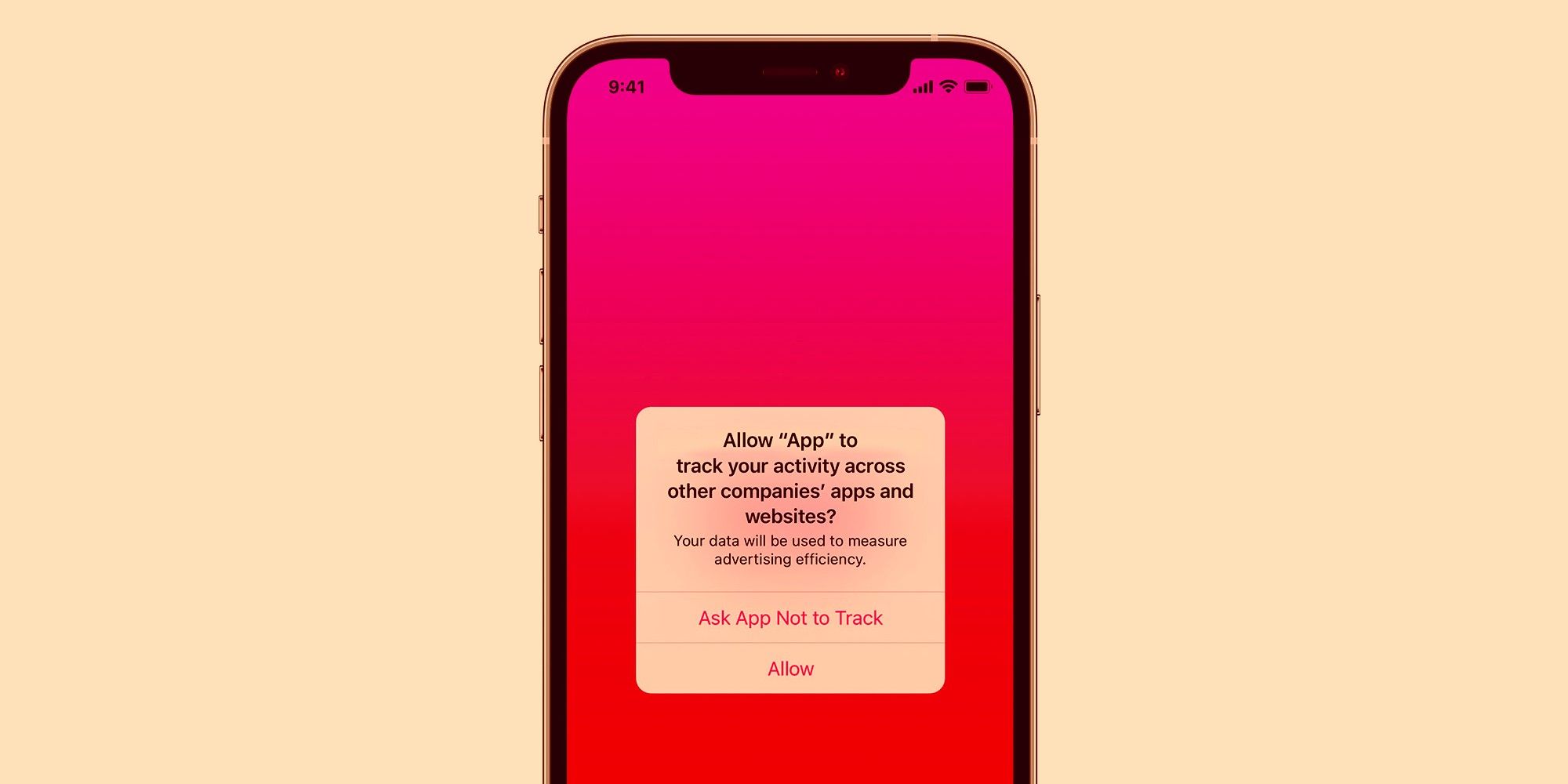
Apple called its App Tracking Transparency framework one of the most impactful moves towards creating a more private ecosystem, but recent independent research shows that it is not really effective against third-party trackers and doesn’t block the transfer of personal or device data either. The core premise of the ATT framework was to offer users more transparency about their data, such as which apps collect information, what data they extract, and how it is shared. More importantly, each app was mandated to ask users explicitly about tracking via a pop-up notification.
Of course, the likes of Facebook, whose coffers are generously filled by its massive advertising business, wasn’t too happy about the change and resorted to an industry-wide lobbying campaign. However, Apple remained adamant that it wants to give users a choice whether they want an app to show them personalized ads by tracking their activity across the web and apps. Following a fierce backlash and claims of Apple not implementing the rules on its own apps, the company temporarily delayed the ATT implementation for months and eventually enabled it with the iOS 14.5 release. However, the whole system might not be as effective as Apple claims.
In a study conducted by Lockdown Privacy — whose members are said to be ex-Apple engineers — App Tracking Transparency didn’t create any difference when it comes to disabling third-party trackers associated with an app and is minimally effective at blocking connection requests. As part of the research, the team selected ten top ranked apps on the App Store and monitored third-party tracking for each one under two scenarios — ATT enabled and ATT disabled. Apps like Grubhub, DoorDash and Peacock TV were found to have roughly the same number of active third-party trackers even when users enabled ATT. Another study earlier this year in June also arrived at a similar conclusion about the inefficacy of the ATT system.
The Yelp app was found to have allowed at least six active trackers even with ATT enabled using the “Ask App Not To Track” prompt. Interestingly, the same six trackers were observed when ATT was disabled. Likewise, 39 tracking attempts were recorded, which is only marginally lower than the 42 attempts when ATT was disabled. Lockdown Privacy concluded that enabling or disabling ATT didn’t make any difference for the 50 trackers they observed while running the selected pool of apps. When it came to tracking attempts, enabling ATT only reduced the number by a mere 13-percent.
In terms of the kind of data that the apps were able to share with third parties, everything from time zone, carrier name, iOS version, and iPhone model to more sensitive details such as the user’s first and last name, location with exact latitude and longitude, free storage on device, battery and volume levels, as well as accessibility setting details were included. Lockdown Privacy mentions that in all test scenarios, the IP address of users was exposed as well. Contrary to what Apple claims, there was no automatic blocking of tracking requests either. Even if users denied an app’s request for tracking their activity, a majority of the test apps did not seem to honor that choice at all.
The study is a sign that Apple may need to implement a more stringent vetting process to ensure that apps do not avoid the ATT norms and violate user privacy despite an explicit denial for tracking. If it continues the same way, Apple might not be too far from another lawsuit over privacy concerns, misleading advertising, and/or more regulatory scrutiny.