
Trial was too small to definitively compare combinations, but Moderna may have an edge.
Conservative media viewing correlates with intention to use ivermectin
Watching fringe stations and general mistrust of science are both causing problems.
Self-healing quasicrystals may resurrect hopes of practical applications
Unusual property reduces the defects that have hindered commercialization to date.
William Shatner safely goes to space and back [Updated]
“Everybody in the world needs to do this.”
China’s solar power has reached price parity with coal
Adding storage could allow solar to produce nearly half of China’s electricity.
NASA Develops ‘Internet’ For The Moon And Beyond
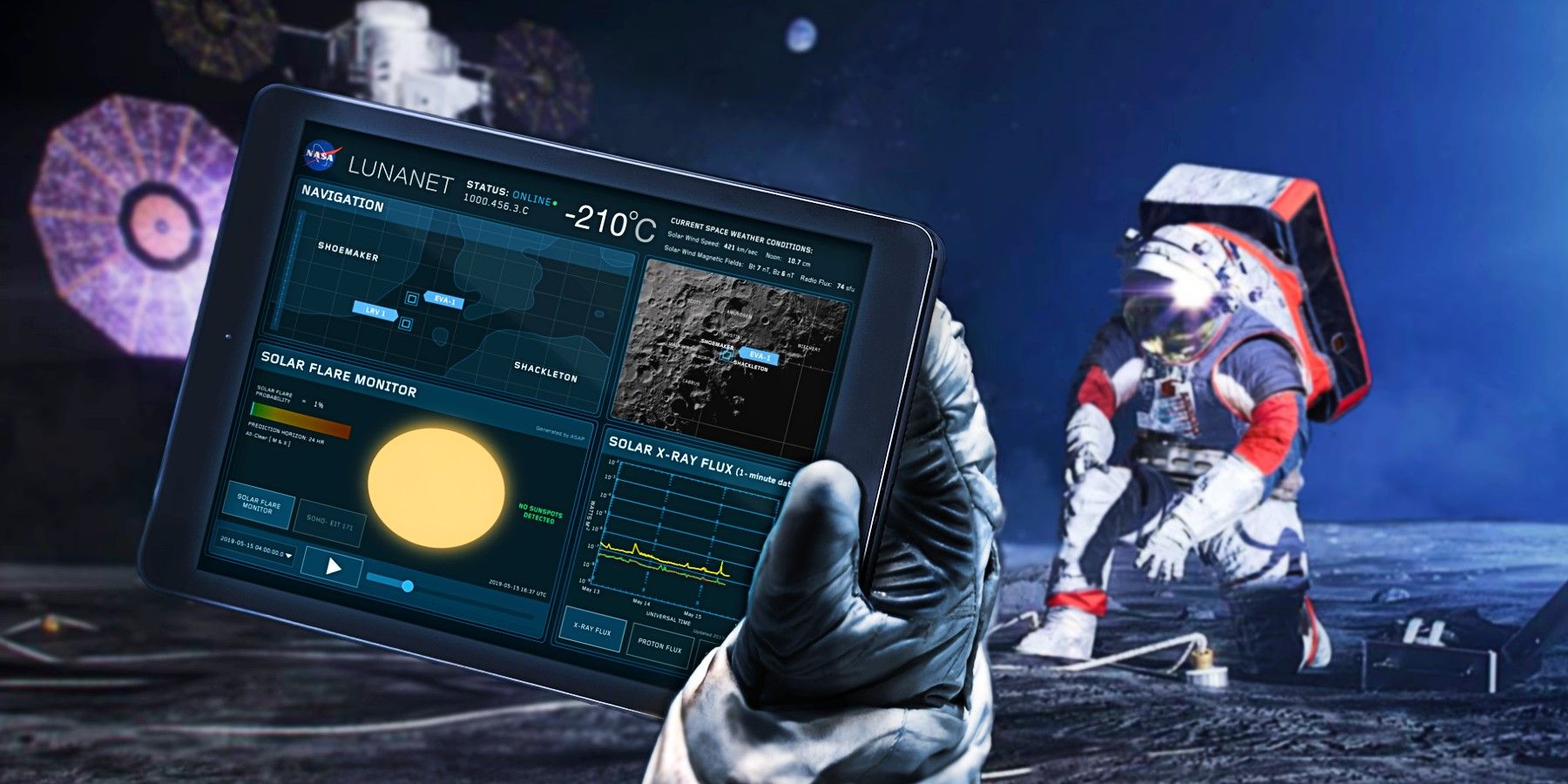
NASA developed LunaNet, an ‘internet’ network for the Moon and the Artemis missions. Artemis is NASA’s program to establish a long-term human presence on the Moon. The international moon program is the tip-of-the-sword of the US in the new space race, however, Artemis II has been delayed due to a legal lawsuit over a lunar landing module awarded to SpaceX by NASA and questioned by Blue Origin.
Artemis I is set to launch in November, sending a crew-less Orion spacecraft to our natural satellite. The following Artemis missions will land the first woman and first person of color on the surface of the Moon. The Artemis Base Camp in the south pole of the Moon is also considered a stepping stone to Mars and beyond. With all these moving parts, a reliable communications network would sure make things easier.
NASA created LunaNet to end disruptions and delays in communications and data transfer in space. Missions in space today depend on pre-scheduled links with space satellites or ground-based antennas, making communications and data transfer limited. LunaNet is designed to provide sustainable communications, navigation, weather monitoring, and will also be used for scientific purposes.
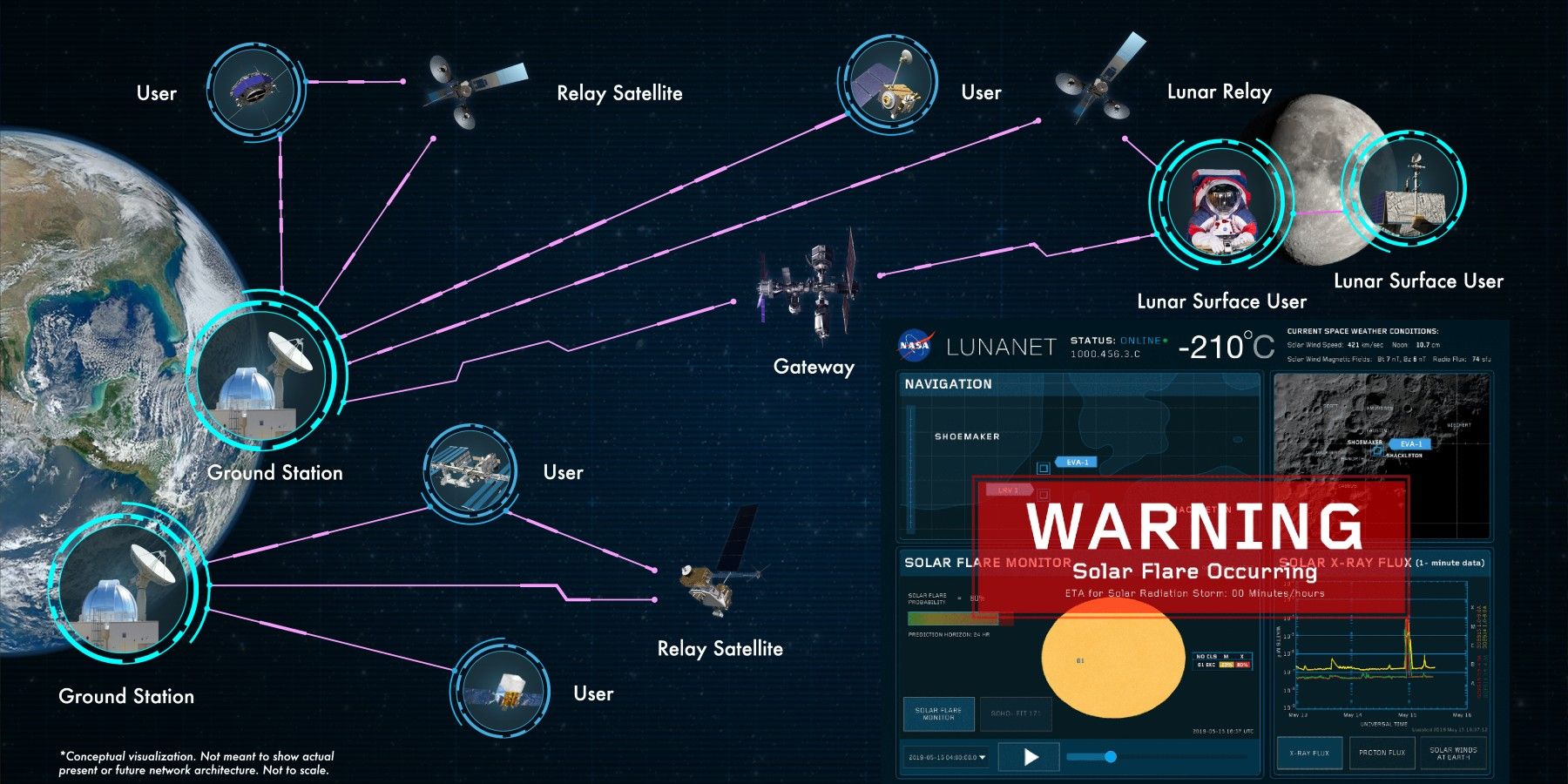
Like the internet, the LunaNet allows users to maintain connections with a larger network made up of nodes but in space. The LunaNet is a Delay-Disruption Tolerant Network DTN, using multiple nodes on the Moon, on satellites, and ground stations, ultimately creating a robust network. Each node can store and re-route data to find the best optimal path for it to reach destinations. Astronauts and rovers on the Moon will not have to wait for information to be processed and passed around from ground stations.
Academics, ground control, spacecraft, astronauts, and other users will be able to access the network no matter where they are. On the Moon, using LunaNet navigation, rovers and astronauts will be able to know their location, plot out routes, enable autonomous traveling, and set quick returns to base. Astronauts will also get real-time space weather information. In the event of dangerous solar storm activity, astronauts will receive an alert to seek shelter. LunaNet will also contribute to search and rescue programs, scientific experiments, and astronomical observations using radio astronomy. NASA will use LunaNet to research advanced space communications for future missions. “LunaNet is the first step in creating a Solar System internet,” NASA says.
Source: NASA
Archaeologists uncover ruins of medieval wine factory at Israel’s Yavne site
Five winepresses, treading floor, warehouses, and pottery kilns among the major finds.
Texas governor bans all vaccine mandates, including from private businesses
Abbott previously indicated gov’t shouldn’t interfere with business decisions.
Astra explains previous failure, sets October date for next launch attempt
“The issue we encountered was something we hadn’t seen before.”
フジツボが貼り付く仕組みを応用、新しい「医療用接着剤」が瞬時に止血するメカニズム
フジツボにヒントを得た接着剤を使って患部を止血する方法を、米大学の研究チームが開発した。医師たちが絶賛するこの新しい手法は、いったいどのようなメカニズムなのか。
…